Why Building A Relationship With A Family Dentist Matters
You might not think much about dental care until something hurts, a child chips a tooth, or a routine cleaning gets pushed back one too many times. Life gets busy, and when everyone in the house has different schedules, keeping up with checkups can feel like one more thing to manage. Still, when you already know and trust a family dental provider, those moments tend to feel less stressful, less rushed, and easier to handle, especially if you have access to an emergency dentist in Kalihi-Palama Honolulu.
That is really the heart of it. Why Building A Relationship With A Family Dentist Matters comes down to trust, consistency, and prevention. When one dental office understands your family’s history, habits, concerns, and goals, care often becomes more personal and more effective. It can also help you catch small issues before they turn into painful or costly problems.
Why does a long term connection with a family dental provider make such a difference?
At first, it may seem like any dentist can handle a cleaning or exam. And sometimes, for a single visit, that may be true. But over time, a long term relationship changes the experience. Your dentist begins to notice patterns. Maybe your child gets nervous before appointments. Maybe you tend to grind your teeth when stress is high. Maybe gum problems run in your family. Those details matter, and they are easier to spot when care is ongoing rather than scattered.
Because of this, a trusted family dentist often becomes more than someone who checks for cavities. They become a steady part of your health routine. They know what is normal for you, which means they are more likely to catch changes early. A small shift in gum health, bite alignment, or tooth wear can tell an important story before pain ever shows up.
The National Institute of Dental and Craniofacial Research offers helpful guidance on daily oral hygiene habits, and those habits matter even more when they are supported by regular professional care. Home care and office care work best together, not apart.
What can happen when dental care is inconsistent?
This is where things often get harder than people expect. Skipping visits or bouncing between offices can lead to gaps in care. Records may not follow you smoothly. Small concerns may be treated like one time issues instead of part of a bigger pattern. And if someone in your family already feels anxious about the dentist, starting over with a new provider again and again can make that anxiety worse.
Then there is the financial side. A missed cleaning may not seem serious today, but untreated plaque buildup, early decay, or gum inflammation can lead to larger procedures later. What starts as a simple preventive visit can turn into fillings, deep cleanings, crowns, or emergency treatment if care is delayed. So, where does that leave you? Often paying more, with more discomfort, for a problem that might have been easier to prevent.
The Centers for Disease Control and Prevention shares practical oral health tips for adults that support prevention, including brushing, flossing, and regular dental visits. Those basics may sound simple, but they do a lot of heavy lifting over time.
How does a family dentist help children, adults, and older relatives at the same time?
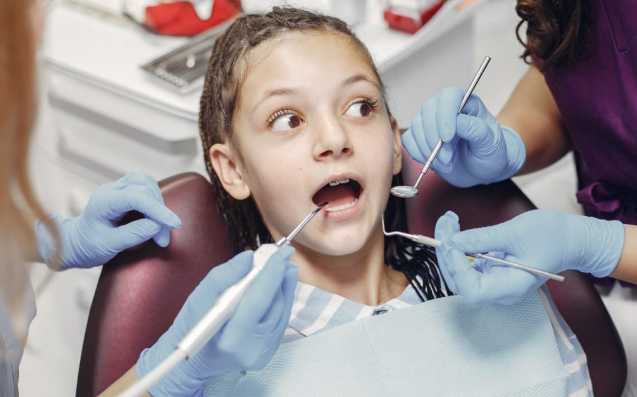
One of the quiet strengths of family dentist care is continuity across life stages. A young child may need help building comfort with the dental chair. A teenager may need guidance during orthodontic changes. An adult may be watching for gum disease or stress related clenching. An older parent may need support with dry mouth, restorations, or changing oral health needs.
When one office cares for multiple generations, that history builds. You do not have to explain everything from scratch at every visit. You are also more likely to get advice that fits your real life. If a child sees a parent calmly attending appointments, that can reduce fear. If a parent knows the office is familiar with the whole family, scheduling feels easier and trust grows naturally.
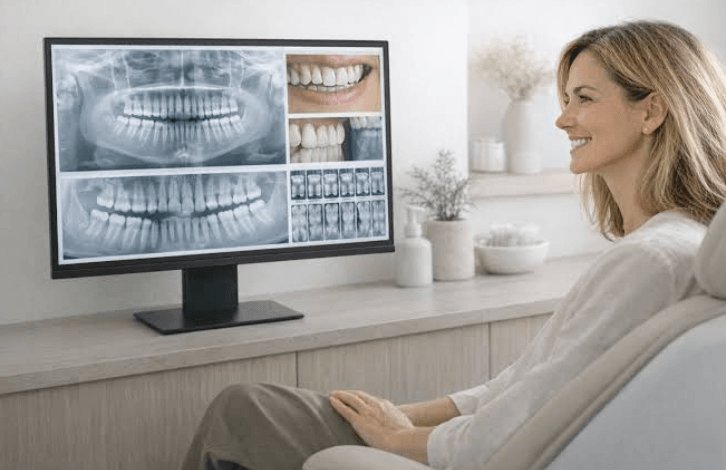
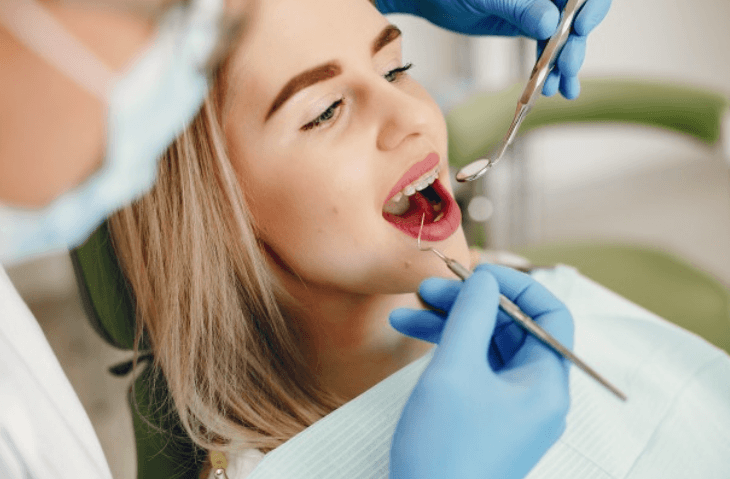
A routine dental exam can reveal much more than people realize, including signs of decay, gum disease, and other concerns that may not be obvious at home. That kind of early insight is one reason consistent care matters so much.
What does consistent care look like in real life?
It often looks less dramatic than people imagine. It means your dentist remembers that your child prefers clear explanations before treatment. It means someone notices that your gums look healthier this year because your home routine improved. It means a worn filling gets replaced before it cracks. It means questions get answered by a team that already knows your family, instead of by someone seeing you for the first time during a stressful visit.
This is also why many people value a lasting relationship with a dental office over one off appointments. A strong connection with a family dental provider can make preventive care feel more manageable and less like a chore.
Which approach usually saves more stress, time, and money?
| Approach | Short Term Effect | Long Term Impact |
|---|---|---|
| Regular visits with the same family dentist | Predictable scheduling and familiar care | Better tracking of changes, earlier treatment, lower chance of avoidable emergencies |
| Only going when something hurts | Feels easier to postpone care | Higher risk of pain, larger procedures, and higher costs |
| Switching offices often | May seem convenient in the moment | Less continuity, repeated paperwork, and missed patterns in oral health |
What can you do right now to build a better dental relationship?
1. Choose consistency over convenience alone. If possible, stick with one provider who can see your household over time. Convenience matters, of course, but familiarity and continuity often pay off in ways that are easy to miss at first.
2. Share your concerns early. If you have dental anxiety, budget concerns, or a child who gets overwhelmed, say so. A caring dental office can often adjust communication, pacing, and treatment planning when they understand what you are dealing with.
3. Treat preventive visits like part of your routine. Put exams and cleanings on the calendar the same way you handle school events, work meetings, or checkups with your doctor. When care becomes routine, it usually feels less stressful and more sustainable.
See also: The Hidden Advantage Behind Faster Business Decisions
Why does this relationship matter more than people think?
Oral health is personal. It affects comfort, confidence, eating, sleep, and overall well being. When you have a dentist who knows your family and has earned your trust, care tends to feel more grounded and less reactive. You are not just solving problems as they appear. You are building a pattern of prevention, support, and peace of mind.
If you have been putting off regular dental care, that is understandable. Life happens. Still, starting now can make things easier later. A strong relationship with a family dentist can help your household feel more at ease, more informed, and better prepared for whatever comes next.