7 Factors That Shape A Personalized Periodontal And Implant Treatment Plan
You may already be dealing with bleeding gums, loose teeth, sore spots, or the sinking feeling that a small dental issue has turned into something bigger. That stress is real. When you hear terms like gum disease treatment, bone loss, or dental implants, it can feel like every choice carries cost, time, and risk, which is why many people turn to Albuquerque periodontal and implant specialists.
A personalized plan matters because no two mouths heal the same way, and no two patients bring the same health history, symptoms, or goals to the chair. The right path is based on what is happening under your gums, how much support your teeth still have, whether implants are realistic now or need to wait, and what gives you the best chance of long term stability.
Gum disease severity shapes the starting point
The first factor is the condition of your gums and bone today. Mild inflammation is not handled the same way as advanced periodontitis. If your gums bleed when you brush, pockets around the teeth are deep, or X rays show bone loss, treatment has to address infection first. A personalized periodontal treatment plan usually starts with controlling the disease before cosmetic goals or implant placement move forward.
This is where many people feel frustrated. You came in thinking you needed one implant or one painful area checked, then you learn the foundation itself needs care. That shift can be hard to hear, but it prevents bigger failures later. The National Institute of Dental and Craniofacial Research explains how gum disease progresses and why early treatment protects the structures that hold teeth in place. See the NIDCR overview of gum disease.
See also: Pilates for Every Stage of Life: Building Strength, Mobility, and Long-Term Wellness
Bone volume and bone quality determine implant timing
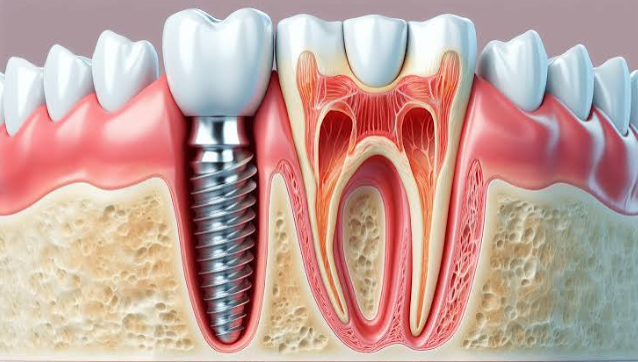
Implants need enough healthy bone for support. If bone has shrunk after tooth loss or from long standing periodontal disease, an implant may not be stable without grafting first. Bone quality matters too. Dense bone often supports healing better than thin or weakened bone.
You might want the tooth replaced as soon as possible, especially if it shows when you smile or affects chewing. If the bone is not ready, rushing can lead to poor integration, gum recession, or implant failure. An implant treatment plan may include grafting, healing time, then placement, rather than doing everything in one visit.
Your overall health changes healing and infection risk
Medical history is not a side note. It can change the whole plan. Diabetes, smoking, certain medications, immune conditions, and a history of slow healing all affect the health of your gums and the success of implants. The CDC notes that severe gum disease is more common in adults with diabetes, and blood sugar control can affect oral healing. Read more about diabetes and oral health.
If you have diabetes that is not well controlled, a periodontist and implant dentist may recommend stabilizing that first. If you smoke, you may be asked to stop before surgery and during healing. That is not arbitrary. It is part of reducing infection risk and improving the odds that treatment lasts.
Tooth stability and bite pressure affect what can be saved
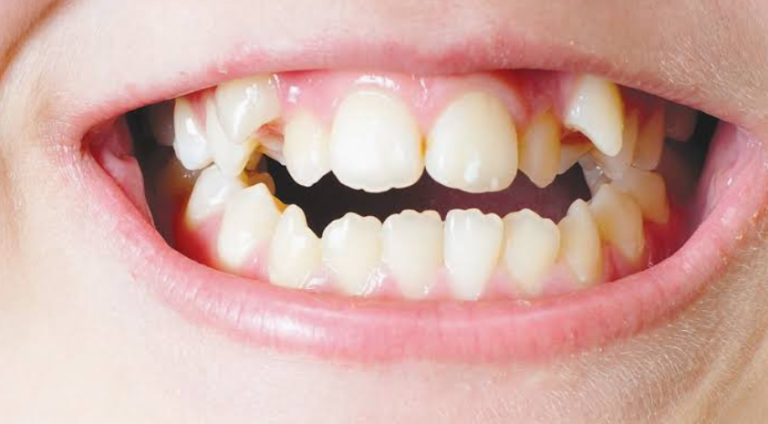
Some teeth look fine above the gumline but have poor support underneath. Others have enough support to save with deep cleaning, surgery, or maintenance. The way your teeth meet also matters. Heavy bite forces, clenching, and grinding can overload weak teeth and fresh implants.
This is where treatment planning becomes personal in a very practical way. One patient may need to remove a hopeless tooth and replace it with an implant. Another may do better saving that tooth for years with periodontal care and a night guard. A generic plan misses those details.
Your home care habits influence every result
The plan has to match what you can maintain. That is not judgment. It is reality. Even excellent treatment can break down if plaque control at home is inconsistent or if maintenance visits are skipped. The CDC explains that periodontal disease is common and tied closely to daily oral hygiene and risk factors. Review the CDC information on gum and periodontal disease.
If flossing is hard because of bridges, tight spaces, or hand issues, your plan may include tools that fit your life better, such as interdental brushes or water flossing. A strong periodontist and implant dentist plan is not only about surgery. It is about what you can keep stable six months and six years from now.
Aesthetic goals matter, especially in the smile zone
Front teeth are different from back teeth. If an implant is replacing a visible tooth, gum shape, tissue thickness, and timing become more delicate. A back molar may be judged mostly on function. A front tooth has to support speech, bite, and appearance.
This is why two people missing the same tooth may get different recommendations. One may need soft tissue grafting to improve gum contours before the final crown. Another may be a candidate for a simpler approach. The treatment is not one size fits all because your smile is not one size fits all.
Budget and timeline affect the sequence of care
Cost is part of treatment planning whether anyone says it out loud or not. You may be balancing dental work with family expenses, time off work, or insurance limits. That does not mean you settle for poor care. It means the sequence may be staged.
A periodontal and implant care plan can be phased. Infection control may come first, then extractions or grafting, then implants later. Staging treatment often makes care more manageable and protects the work you are paying for.
| Factor | If Addressed Early | If Ignored |
| Gum infection | Less bone loss, better healing, more teeth may be saved | Deeper pockets, loose teeth, higher implant risk |
| Bone loss | Better implant planning, possible grafting before failure | Fewer replacement options, added surgical complexity |
| Medical conditions | Safer healing, lower infection risk | Delayed healing, unstable results |
| Bite forces | Better protection for teeth and implants | Cracks, mobility, overload on restorations |
| Home care routine | Longer lasting treatment results | Recurring inflammation and maintenance problems |
Clear next steps make treatment feel manageable
Get a full periodontal and implant evaluation. Ask for gum measurements, imaging, and a clear explanation of which teeth are stable, which are questionable, and which are not likely to last.
Share your medical history and real habits. Be honest about smoking, diabetes, medications, grinding, and home care. The more accurate the picture, the better the plan fits you.
Ask for a phased roadmap. Request the order of care, expected healing times, maintenance needs, and likely costs at each stage. When you can see the sequence, the process feels less overwhelming.
The best treatment plan is not the fastest or the most aggressive. It is the one built around your health, your risks, and what will hold up over time. If you are facing gum problems, tooth loss, or implant decisions, getting a tailored evaluation with a periodontist and implant dentist can give you a path that feels clear and grounded.