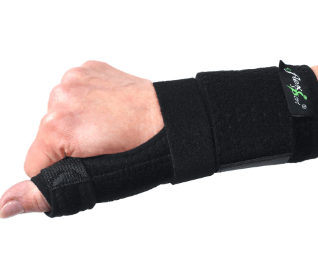
Thumb Spica Splint for Gamers and Mobile Users Guide
Our hands are constantly busy every day. We scroll on our phones. We type on laptops. We lift grocery bags. We cook, clean, and do much more. We do not realise how much strain we place on our thumbs with every movement. That is when overuse happens. You start feeling stiffness around the thumb. Swelling and sharp pain may also occur in other cases. Today, some individuals experience discomfort not because of sports or injuries. But simply because of gaming and mobile use.
Digital connectivity shapes modern daily routines. Mobile devices and gaming consoles are essential tools for communication. They are also useful for work and entertainment. However, prolonged use of these technologies places a high physical demand on the hands. The thumb carries the majority of this strain. That is why using a thumb spica splint has become an essential measure of maintaining healthy hand function.
Let’s explore!
The Physical Strain of Digital Activity
Modern technology requires precise finger control. Gamers use controllers that demand rapid button pressing. Mobile users rely on their thumbs to navigate large screens. This repetitive action eventually strains the muscles and ligaments in the hand.
Mechanics of the Thumb
The thumb is unique just because of its wide range of motion. It can move in multiple directions to grip, pinch, and hold. This mobility comes from the carpometacarpal joint at the base of the hand.
This joint lacks inherent structural stability when mobile. It relies heavily on surrounding ligaments and tendons to stay aligned. Repetitive motions can overwork these supportive tissues as time passes.
Why Gamers and Mobile Users Experience Strain
| Reason | How It Happens |
| Overuse | Pressing a controller button thousands of times during a session strains the tendons |
| Awkward Posture | Holding a wide smartphone forces the thumb to stretch across the screen constantly |
| Static Muscle Load | Gripping a controller tightly for hours restricts healthy blood circulation to the fingers |
| Lack of Rest | Continuous digital activity without breaks does not enable the tissues to recover effectively |
What Is a Thumb Spica Splint?
A thumb spica splint is a dedicated orthopedic support. It is designed to immobilize the thumb joints. It leaves the other fingers free. This enables individuals to protect the injured area and maintain basic hand functionality.
Design Features
A thumb splint has a rigid extension, unlike a general wrist support. This extension is called a stay. It runs along the side of the thumb to keep the joint aligned. The stay is usually made of lightweight metal or hardened plastic.
The main body of the splint wraps around the wrist. This anchor point provides the leverage needed to keep the thumb still. Adjustable straps enable users to customize the intensity of compression.
| Feature | How It Supports Recovery |
| Immobilization | It keeps the thumb in a neutral position to prevent further tissue irritation |
| Compression | The snug fabric helps manage minor swelling and localized inflammation |
| Rest | It enables the overworked tendons to rest and heal by restricting movement |
| Protection | It functions as a shield against accidental bumps during daily activities |
Signs You Need a Thumb Support
Recognizing early indicators of strain can prevent long-term discomfort. Technology users should monitor how their hands feel during and after use.
Indicators of Strain
- A dull ache at the very base of the thumb after a gaming session
- Sharp discomfort when pinching an object and opening a jar
- Stiffness in the morning that makes moving the thumb difficult
- A clicking or snapping sensation when bending the thumb joint
Wearing a Thumb Splint
Using a thumb support correctly maximises its effectiveness. It is important to implement a safe and comfortable routine.
How to Put on the Thumb Splint?
Slide your thumb into the dedicated sleeve first. Make sure the rigid stay sits along the side or back of the thumb comfortably. Wrap the main body around your wrist and secure the lower strap. Fasten the smaller strap around the top of the thumb.
Checking the Tension
The splint should feel firm but comfortable. Make sure your fingers do not feel cold and numb. You should be able to fit the tip of a finger under the straps easily. Loosen the straps if you notice any skin discolouration.
See also: Fashion World: Understanding Style, Trends, and Personal Expression
Wrapping Up
Protecting your hand health is essential for maintaining a modern digital lifestyle. A thumb splint provides targeted stabilization that general supports cannot match. It mitigates the impact of repetitive scrolling and button pressing by holding the base joints secure. Gamers can prevent repetitive strain and maintain safe hand posture by wearing it. Mobile users can prevent the stress of one-handed use.
Wearing a support serves as a helpful reminder to use technology more mindfully. Consider the balance between immobilization and material breathability. Thumb pain should not stop you from living your everyday life with ease. Incorporating a thumb support into your habits helps preserve long-term hand function. This enables you to continue enjoying your favourite digital activities with greater physical comfort.