4 Early Indicators Of Oral Health Issues Parents Can Spot At Home
You might be staring at your child’s smile, wondering if that little spot, that odd smell, or that new habit is “normal” or a sign of trouble. Maybe you have a mental list of questions for a dentist in Pasadena, but between work, childcare, and everything else, it keeps getting pushed to the bottom of the list.
It often starts small. A complaint about “tooth tingles” with cold water. A bit of bleeding when they spit after brushing. A stubborn patch on a tooth that doesn’t seem to wipe away. Because you love your child, every small change can feel big, and the worry can sit in the back of your mind, especially at night.
The good news is that you can catch many early signs of oral health problems long before they become emergencies. This is not about turning you into a dentist. It is about giving you a clear, calm roadmap so you know what to watch for and when to act. In short, the four early indicators you can often spot at home are changes in tooth color or texture, bleeding or swollen gums, persistent mouth odor, and pain or behavior changes around eating and brushing. When you understand these, you can protect your child’s smile with far less stress.
Why do early signs of dental problems matter so much for kids?
Children’s mouths change fast. New teeth erupt, old ones fall out, and habits like thumb sucking or sipping juice can quietly affect their oral health. Because of this constant change, small issues can grow quickly if no one notices them.
There is also the emotional side. A child who is afraid to bite into an apple because it hurts may not tell you. They might just say they are “not hungry” or that they “don’t like that food anymore.” You are then left guessing. Is it picky eating, a phase, or something more?
You may also be worried about money or time. Dental care can feel expensive and appointments can be hard to schedule. Many parents quietly hope that minor issues will “work themselves out.” Sometimes they do. Often they do not. Untreated problems can mean more complex care later, which can cost more and feel scarier for your child.
So where does that leave you? It leaves you with a powerful role. You are the one who sees your child every day. You can often notice early indicators of oral health issues at home and act before things escalate. That is where these four key signs come in.
Indicator 1: What do changes in tooth color or texture really mean?
You might first notice a small white or brown spot on a tooth. It may be near the gumline or on the chewing surface of a molar. It may look like a stain, so you try to brush it away, but it stays put.
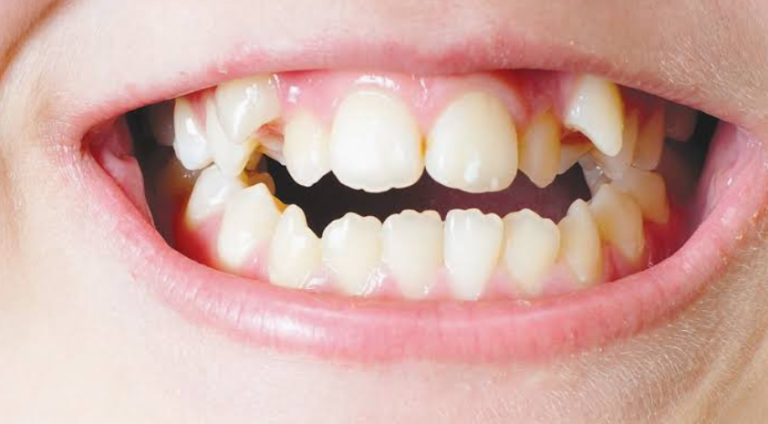
These changes in color or texture are often the earliest visible sign of tooth decay. A chalky white patch can mean the enamel is starting to weaken. Brown or black spots can mean the decay has moved deeper. Roughness or tiny pits on the tooth surface can be another sign.
Sometimes parents assume that baby teeth are “practice teeth” and less important. In reality, decay in baby teeth can spread, cause pain, and affect how permanent teeth develop. It can also make eating and sleeping uncomfortable, which affects school, mood, and overall health.
If you are unsure whether a spot is plaque, stain, or decay, you can read age specific guidance on normal tooth development and care in resources like the American Academy of Pediatrics teething and dental hygiene guide. When in doubt, treat any new, stubborn discoloration as a reason to check in with a family dentist.
Indicator 2: When should bleeding or puffy gums worry you?
A little pink in the sink after brushing is easy to ignore, especially if your child is rushing through their routine. You might think they brushed too hard or used a new toothbrush. If the bleeding is rare and brief, that may be true. If it happens often, your child’s gums are trying to tell you something.
Red, swollen, or shiny gums that bleed with brushing or flossing can be an early sign of gingivitis, which is gum inflammation caused by plaque buildup. You might also notice that the gumline looks puffy or that your child avoids brushing certain areas because they say it “tickles” or “hurts.”
While gingivitis sounds like an adult problem, it is common in children. The earlier you respond, the easier it is to turn things around with better brushing habits, flossing, and professional cleanings. Ignoring it can lead to more serious gum issues and a higher risk of decay around the gumline.
Indicator 3: What if your child’s breath smells bad most of the time?
Morning breath is normal. Breath that smells strong after garlic pasta is normal. Breath that smells sour or unpleasant most of the day, even after brushing, is different.
Persistent bad breath can signal plaque buildup, cavities, or gum problems. Food can get trapped between teeth or in deep grooves in molars and start to break down. Bacteria thrive in these areas and create odor. Sometimes the smell is your first clue that something is wrong before you can see a cavity.
Bad breath can also be linked to mouth breathing, sinus issues, or dry mouth, but it is still worth seeing a family dentist. They can sort out whether the cause is dental or medical and guide you on what to do next.
Indicator 4: How do pain and behavior changes point to hidden oral health issues?
Children do not always say “my tooth hurts.” They might chew on one side of their mouth, avoid crunchy foods, refuse very hot or cold drinks, or suddenly fight brushing. You might notice they seem irritable at meals or wake at night holding their cheek.
These behavior shifts can be early signs of cavities, tooth sensitivity, or even infection. Sometimes the pain is mild or comes and goes, so your child shrugs it off. Over time, though, the discomfort often grows, and by the time they complain clearly, the problem may be more advanced.
If your child has ongoing soreness, avoids certain foods, or cries when a specific tooth is brushed, it is time to schedule a visit. You can also use tools like the pediatric oral health risk assessment checklist to see whether your child might be at higher risk for decay and should be seen sooner rather than later.
Should you wait and watch or call a family dentist now?
It is easy to feel torn. You do not want to overreact, but you also do not want to miss something important. A simple way to think about it is to compare “watching at home” with “getting professional help” for those early indicators of oral health problems in children.
| Sign you notice at home | What happens if you just watch | What happens if you see a dentist |
|---|---|---|
| Small white or brown spot on a tooth | May slowly grow into a cavity. Pain often appears later when the decay is deeper. | Spot can be checked early. Dentist may strengthen enamel, treat a small cavity, and prevent bigger problems. |
| Bleeding or puffy gums with brushing | Gums can stay sore. Child may avoid brushing, which increases plaque and decay risk. | Gum health can improve with a cleaning, better brushing tips, and possibly fluoride treatment. |
| Persistent bad breath | Underlying cause stays hidden. Odor may worsen and affect your child’s confidence. | Cause can be identified, such as plaque, cavities, or mouth breathing, and treated appropriately. |
| On and off pain or chewing on one side | Problem may progress silently. Pain can suddenly become severe, leading to urgent care. | Pain source can be found early. Treatment is often simpler and less stressful for your child. |
Many parents find that once they understand this comparison, they feel more confident reaching out sooner. If you ever feel unsure, a quick call to a family dentist can help you decide whether your child needs to be seen urgently or can wait for a routine visit.
What can you do today to protect your child’s smile?
1. Do a gentle “home mouth check” once a month
Choose a calm time, like after a bath. Use a clean finger to gently lift your child’s lips. With a small flashlight, look at the front and back of the teeth and along the gums. You are looking for new spots, chips, swelling, or areas that bleed easily.
Keep it light and playful. You can take a quick photo if you notice anything new so you can compare it later or show it to the dentist. This simple habit helps you catch early signs of dental problems in children before they cause real distress.
2. Strengthen daily brushing and flossing without battles
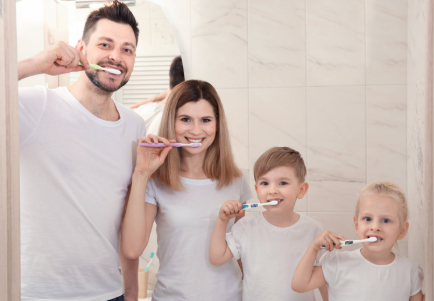
Twice daily brushing with a fluoride toothpaste is still the best everyday defense against early tooth and gum problems. Many parents find it helpful to use a timer or a favorite song for two minutes. For younger children, you can “take a turn” after they do theirs, so you know the teeth are truly clean.
Flossing once a day where teeth touch is also crucial, even for kids. If you are unsure what is age appropriate, you can review a practical guide to children’s dental health routines and then adapt it to your child’s personality and schedule.
3. Schedule and keep regular family dentist visits
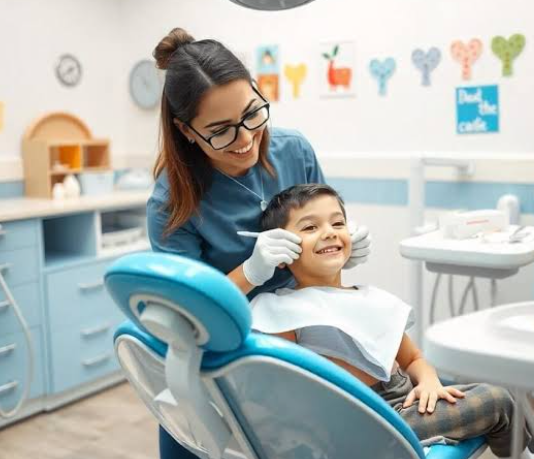
Routine visits every six months give your child a chance to build trust with a family dentist, and they give you a partner in watching for problems. Cleanings, fluoride treatments, and sealants all lower the risk of cavities and gum issues.
If your child has any of the four signs mentioned, mention them when you book. Even if the next available appointment is a few weeks away, you will have taken a concrete step forward. That alone can ease a lot of the worry you may be carrying.
See also: Healthy Parenting Tips: How to Raise Happy, Strong, and Healthy Kids
You are not alone in watching over your child’s oral health
Caring for a child’s mouth can feel like one more thing on an already full plate. You might feel guilty for missed brushings or delayed appointments. You do not need perfection. What your child needs is a caring adult who notices changes, asks questions, and reaches out for help when something does not feel right.
By paying attention to changes in tooth color and texture, bleeding or swollen gums, ongoing bad breath, and pain or behavior shifts around eating and brushing, you can catch many early indicators of oral health issues parents can spot at home. With steady habits at home and regular support from a trusted dental professional, your child’s smile has a strong chance to stay healthy, comfortable, and confident for years to come.