5 Tooth Shape Differences That May Need Pediatric Dental Monitoring
You noticed something small, then it kept bothering you. A tooth looks narrower than the others. One seems pointed. Another never came in at all, or came in looking smaller than expected. When it is your child’s smile, even a small difference can sit in the back of your mind all day. You are not overreacting. Some tooth shape differences are harmless, and some deserve a closer look from a pediatric dentist, like the team at Children’s Dental FunZone in West Los Angeles, CA, because they can affect chewing, spacing, speech, enamel strength, or the way adult teeth come in later.
The short version is simple. A tooth that looks different is not always an emergency, but it should not be ignored if the shape seems unusual, the enamel looks weak, or your child has pain, crowding, delayed eruption, or repeated chipping. 5 Tooth Shape Differences That May Need Pediatric Dental Monitoring is really about catching patterns early, before a small concern turns into a bigger one.
Small or Peg Shaped Teeth Can Affect Spacing and Bite Development
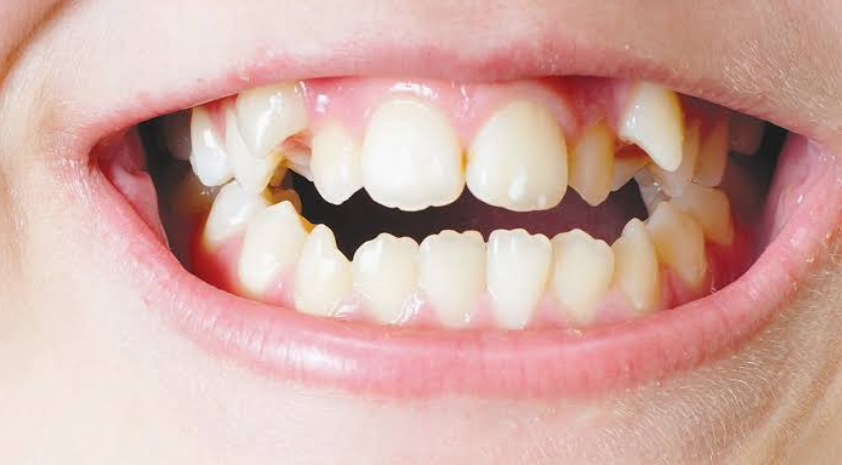
Some children develop teeth that are noticeably smaller than usual, often called peg shaped teeth when they taper toward the edge. This can happen with baby teeth or permanent teeth, and it often shows up in the upper side front teeth. At first, it may seem cosmetic only. Then the spaces around that tooth start changing how nearby teeth drift, and the bite develops around that gap.
A child may not complain at all. You may just see uneven spacing in photos or notice food trapping in odd places. Monitoring matters because a small tooth can lead to shifting, crowding, or a mismatch between the upper and lower bite over time. A pediatric dentist can track eruption, watch jaw growth, and decide whether the focus should stay on observation, cavity prevention, or referral for later orthodontic planning.
Pointed or Cone Shaped Teeth May Signal More Than a Cosmetic Difference
Some teeth erupt with a more pointed or conical shape than expected. These can still function well, but shape changes sometimes come with developmental patterns that affect other teeth too. If your child also has missing teeth, sparse hair, or trouble with sweating, a dentist may consider whether the tooth difference is part of a broader condition such as ectodermal dysplasia.
This does not mean every pointed tooth signals a syndrome. It means shape is a clue. Pediatric dental monitoring helps separate isolated variations from signs that deserve medical follow up. That kind of early attention can spare your child years of avoidable wear, spacing trouble, and frustration with eating or speech.
Pitted, Grooved, or Thin Enamel Changes Raise the Risk of Damage
Sometimes the issue is not the outline of the tooth but the surface. Teeth may look rough, deeply grooved, yellow brown, chalky, or unusually thin. Those shape and enamel differences can make teeth sensitive and easy to chip. Kids with weak enamel often start avoiding cold foods, brushing becomes uncomfortable, and cavities can spread faster because the protective outer layer is not doing its job well.
One condition tied to enamel defects is amelogenesis imperfecta, which affects how enamel forms. Children with enamel problems need close monitoring because the teeth can wear down fast under normal chewing. This is one reason unusual tooth shape in children should not be brushed off as a phase.
Fused or Extra Wide Teeth Can Hide Problems Between Teeth
A tooth that looks unusually large may actually be two tooth buds that developed together. This is often called fusion. Parents usually notice a tooth that looks wider than the matching tooth on the other side. The concern is not just appearance. Fused teeth may have grooves that trap plaque, making them harder to clean and more likely to decay. They can also affect how many permanent teeth come in later.
If your child has a wide front tooth and brushing that area always seems difficult, monitoring gives the dentist a chance to check for hidden grooves, enamel weakness, and spacing changes. X rays may also help clarify whether the permanent replacement tooth is developing normally.
Missing, Delayed, or Misshapen Teeth Need Follow Up as the Mouth Grows
Sometimes a tooth shape difference is really an eruption difference. A tooth may be missing, delayed, or erupt only partway with an unusual form. A late tooth is not always a problem, but if one side has erupted and the other side has not, or if your child has pain or swelling, it deserves attention. Delayed eruption can happen for simple reasons, but it can also relate to crowding, blockage, or developmental differences.
When a tooth does not appear on schedule, the first step is often a dental exam and sometimes imaging. The broader topic of children’s tooth development concerns includes not only appearance but timing, symmetry, and function. If you are trying to figure out whether your child’s eruption pattern is within a normal range, this overview from MedlinePlus on teething and tooth eruption can help you understand the basics.
Monitoring Tooth Shape Differences Helps Prevent Bigger Dental Problems
Not every difference needs treatment right away. Many need watchful follow up, good home care, and a plan. That is where a pediatric dentist adds real value. Children change quickly. A tooth that seems fine at age five can affect spacing by age seven and chewing by age nine. Early monitoring often means simpler care later.
| Tooth difference | What you may notice | Why monitoring matters |
|---|---|---|
| Small or peg shaped tooth | Extra spacing, uneven smile line | Can affect bite alignment and future orthodontic needs |
| Pointed or cone shaped tooth | Sharp or tapered appearance | May be isolated or part of a broader developmental pattern |
| Pitted or thin enamel | Rough surface, discoloration, sensitivity | Higher risk of chipping, wear, and cavities |
| Fused or extra wide tooth | One tooth looks double in width | Can hide decay prone grooves and affect permanent tooth count |
| Missing or delayed tooth | One tooth does not erupt on time | May point to crowding, blockage, or developmental issues |
Three Steps You Can Take Right Away
Take clear photos and note timing. If you see a shape difference, take a close photo and write down when you first noticed it. Include any pain, sensitivity, speech changes, or trouble chewing. That timeline helps a pediatric dentist spot progression instead of guessing.
Watch for function, not just looks. Pay attention to whether your child avoids one side while chewing, complains about cold foods, struggles with brushing one area, or has repeated chips. Those signs often matter more than the shape itself.
Schedule a pediatric dental exam before the next growth jump. Kids’ mouths change fast. Early evaluation can show whether the tooth should simply be watched, protected with preventive care, or evaluated further with imaging. When shape differences are involved, waiting too long can limit easier options.
If your child has a tooth that looks different, you do not need to panic, and you do not need to ignore it either. A careful check by a pediatric dentist can tell you whether the issue is minor, whether it needs monitoring, or whether it connects to something larger. Peace of mind matters, and early answers usually make the next step much easier.