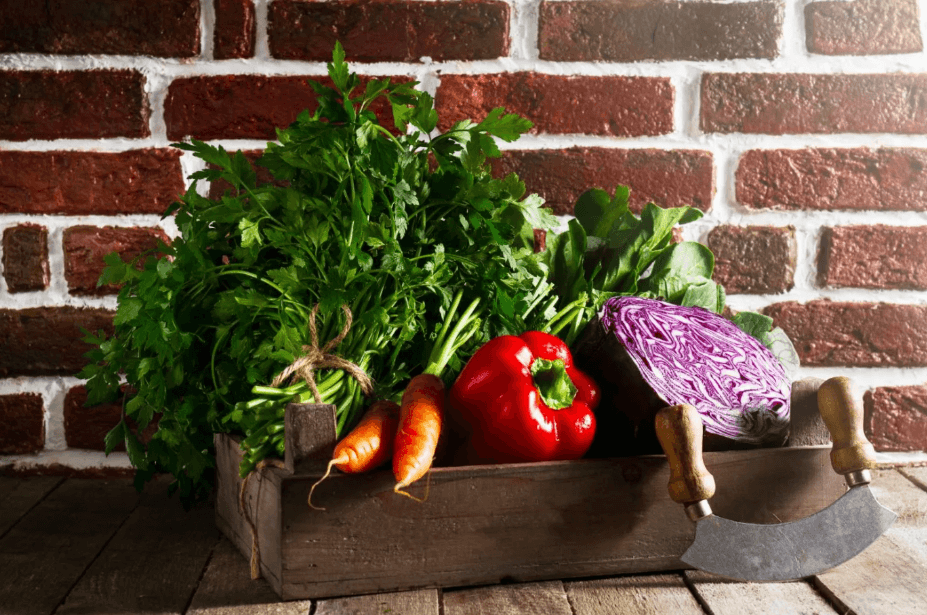
The Benefits of Growing Your Own Food Indoors
Growing your own food used to be something many people associated with large backyards and outdoor gardens. But today, indoor gardening is becoming increasingly popular, especially among people living in apartments, condos, and smaller urban homes.
From herbs on kitchen counters to vertical tower gardens in living rooms, more people are discovering that you don’t need a lot of space to grow fresh food at home.
Indoor gardening is about more than convenience. It offers practical, financial, environmental, and even mental health benefits that fit naturally into a more sustainable lifestyle.
Fresh food within reach
One of the biggest advantages of growing food indoors is having fresh produce available whenever you need it.
Instead of making frequent trips to the grocery store for herbs or vegetables, you can simply harvest what you need directly from your indoor garden. Fresh basil for pasta, mint for tea, or lettuce for salads becomes easily accessible right at home.
Many people also find that homegrown produce tastes better because it’s harvested at peak freshness rather than transported long distances before reaching store shelves.
A sustainable way to live
Indoor gardening can also support a more sustainable lifestyle. Growing even a small portion of your own food helps reduce dependence on commercially packaged produce, which often involves transportation, refrigeration, and plastic packaging.
A system like a tower garden or vertical hydroponic setup is especially popular because it uses space efficiently while often consuming less water than traditional gardening methods.
For people living in cities or apartments without outdoor space, indoor gardening offers a practical way to participate in more environmentally conscious living.
Saving money over time
While setting up an indoor garden may require some initial investment, many people find it helps reduce grocery expenses over time, especially for herbs, leafy greens, and smaller vegetables that are frequently purchased.
Fresh herbs are one of the best examples. Buying small herb packages regularly can become surprisingly expensive, while growing them indoors allows continuous harvesting for months.
Tower gardens can make this even more efficient by allowing multiple plants to grow vertically in one compact system, making better use of limited indoor space.
Better control over what you eat
Growing food indoors also gives you more control over how your produce is grown.
You know exactly what goes into your plants, whether that means avoiding pesticides, choosing organic nutrients, or simply monitoring the growing process yourself. For many people, this creates peace of mind and encourages healthier eating habits overall.
There’s also a stronger connection to food when you grow it yourself. People often become more mindful of what they consume and waste less produce because they better appreciate the effort behind growing it.
Ideal for small spaces
One reason indoor gardening has become so popular is that modern systems make it possible to grow food almost anywhere.
Even people living in small apartments can successfully grow herbs, greens, and vegetables using compact vertical gardens or tower garden systems. Because these setups grow upward instead of outward, they maximize limited floor space while still producing a surprising amount of food.
Indoor gardens can fit into kitchens, balconies, living rooms, home offices, or even small corners with adequate light. This flexibility makes indoor growing much more accessible than many people realize.
Indoor gardening and mental well-being
Beyond the practical benefits, indoor gardening can also positively affect mental health.
Taking care of plants often creates a calming routine and provides a sense of accomplishment. Many people find gardening relaxing because it encourages mindfulness and offers a break from screens and daily stress.
Watching plants grow over time can also improve mood and create a stronger connection to nature, especially for people living in busy urban environments where green space may be limited.
In recent years, indoor gardening has become part of a broader wellness movement focused on healthier, slower, and more intentional living.
See also: Healthy Parenting Tips: How to Raise Happy, Strong, and Healthy Kids
Year-round growing
Unlike outdoor gardens that depend on weather and seasons, indoor gardens can often produce food year-round with the right setup.
This consistency is especially useful in colder climates where outdoor growing seasons are limited. With grow lights and controlled indoor environments, people can continue harvesting herbs and greens regardless of the season outside.
Tower gardens and hydroponic systems are particularly effective for year-round production because they are designed to optimize growing conditions indoors.
Encouraging healthier eating habits
People who grow food at home often eat more fresh vegetables and herbs simply because they’re easily available.
When healthy ingredients are growing nearby, it becomes more natural to use them in meals. Many indoor gardeners report cooking more frequently and experimenting with healthier recipes after starting their own home garden.
Children can also benefit from indoor gardening because it teaches them where food comes from and encourages healthier relationships with fruits and vegetables.
Final Thoughts
Growing your own food indoors is no longer just a hobby for gardening enthusiasts. It has become a practical solution for people who want fresher food, more sustainable habits, and a stronger connection to what they eat.
Whether it’s a few herbs on a windowsill or a full tower garden growing leafy greens year-round, indoor gardening offers a simple way to bring nature, health, and sustainability into everyday life.
As more people look for ways to live greener and more independently, especially in urban environments, indoor food growing is likely to become an even bigger part of modern living.