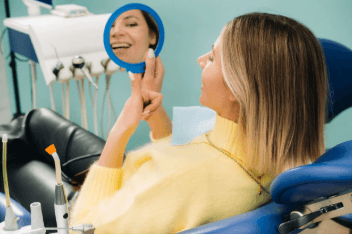
How Family Dentists Evaluate Chips Caused By Sports Or Everyday Accidents
It usually happens fast. A ball gets away from someone at practice, a child slips on the kitchen floor, or you bite down wrong and hear that sharp little crack. Then comes the staring in the mirror, the panic, and the question you keep replaying in your head. Is this just a small chip, or is it something worse? To learn more about cosmetic dentistry in Chicago, it helps to understand what a chipped tooth may really mean.
If you are dealing with a broken edge, pain when you breathe in, or a tooth that suddenly looks uneven, that stress makes sense. A chipped tooth can feel minor and alarming at the same time. Family dentists look at more than the missing piece. They check whether the tooth root is stable, whether the nerve may be involved, whether the bite changed, and whether the injury could lead to infection or more damage if you wait too long.
How family dentists evaluate chips caused by sports or everyday accidents starts with the same goal every time. Protect the tooth, ease pain, and figure out whether the damage is cosmetic, structural, or urgent. Some chips need smoothing or bonding. Others need X rays, close follow up, or treatment to save the tooth.
Family dentists check more than the visible chip
A chipped front tooth often looks like a simple surface problem, but the visible break is only part of the story. A family and cosmetic dentist usually begins with the details of the accident. How hard was the hit? Was there bleeding? Did the tooth move? Did you lose consciousness or hit your lip, jaw, or tongue too? The answers matter because tooth injuries often come with hidden damage to the root, surrounding bone, or nearby teeth.
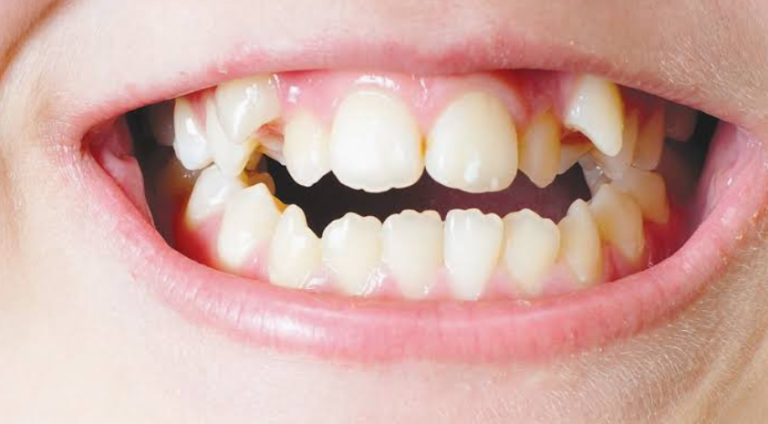
Then comes the exam. The dentist looks at the size and shape of the chip, the sharpness of the edges, and whether the inner layer of the tooth is exposed. If the yellow dentin is showing, the tooth may become sensitive fast. If there is pink or red tissue visible, the nerve may be exposed, which changes the treatment plan right away.
Bite matters too. A chip can leave the tooth hitting earlier than it should, and that can turn a manageable injury into a cracked or painful tooth over time. A dentist may also test the tooth’s response to cold and gently check whether it feels loose. In many accident cases, imaging is part of the evaluation because roots can fracture even when the crown looks only slightly chipped. The IADT dental trauma guidelines support this step, especially when the injury came from a direct blow.
Sports injuries and everyday accidents can create different risks
A sports hit often involves force from the front or side, which raises concern about displacement, root injury, and trauma to several teeth at once. A fall at home may create a smaller chip but still bruise the tooth nerve. Biting hard food can look less dramatic, yet it may signal a deeper crack running through the tooth.
You might feel tempted to wait if the chip does not hurt much. That is where people get stuck. Some injured teeth stay quiet for days or weeks before sensitivity, darkening, swelling, or pain begins. A tooth can test normal at first and still need monitoring later. According to MedlinePlus guidance on broken teeth and jaw injuries, prompt evaluation helps lower the risk of avoidable complications.
Chipped tooth assessment after an accident often includes follow up because healing is not always obvious on day one. Children, teens, and adults all have different risk patterns, and a family dentist considers age, tooth development, and activity level before recommending repair.
Professional dental evaluation catches problems home care cannot
At home, you can rinse gently, use a cold compress, and save any broken piece if you find it. Those steps help. They do not replace an exam. A mirror cannot show whether a root is cracked, whether the pulp is inflamed, or whether the tooth shifted enough to affect the bite.
| What You Notice at Home | What It May Mean | What a Dentist Evaluates |
|---|---|---|
| Small edge missing, no pain | Enamel chip or early crack | Depth of damage, bite changes, rough edges, hidden fracture lines |
| Sensitivity to cold or air | Dentin exposure or nerve irritation | Pulp response, need for bonding, sealant, or further treatment |
| Tooth looks shorter or uneven | Fracture, displacement, or wear from impact | Alignment, mobility, damage to nearby teeth, X rays if needed |
| Pink spot or bleeding from tooth | Possible pulp exposure | Urgency of treatment to protect or save the tooth |
| Loose tooth after a hit | Damage to supporting tissues or root | Stability, splinting needs, follow up healing checks |
Dental injury evaluation is not just about fixing the look of the tooth. It is about deciding whether the tooth can stay healthy months from now. That is why family dentists may recommend photos, X rays, bite checks, and repeat visits even when the chip seems small.
Three steps to take right away after a chipped tooth
1. Protect the area and control irritation. Rinse with warm water, apply a cold compress to the outside of the mouth, and avoid chewing on that side. If the edge is sharp, cover it with sugar free gum or dental wax until you are seen.
2. Watch for signs that the chip is more serious. Pain that lingers, sensitivity to air, visible blood from the tooth, swelling, looseness, or a change in tooth color all raise concern. If the injury followed a hard hit during sports or a fall, do not assume a small chip means a small injury.
3. Schedule a prompt exam with a family and cosmetic dentist. The earlier the tooth is checked, the more options you usually have. Quick care may mean simple smoothing or bonding instead of more involved treatment later.
Early evaluation gives chipped teeth the best chance to stay simple
A chipped tooth after an accident can leave you rattled, especially when you are trying to decide whether you are overreacting. You are not. Even a small break can affect comfort, function, and long term tooth health. A prompt exam gives you a clear answer, a practical plan, and a better shot at keeping treatment straightforward.
If you or your child has a tooth chip from sports or an everyday accident, reach out to a trusted dental office and get it checked soon.