Travel eSIM vs Local SIM: 5 Things to Know Before Your Next Trip
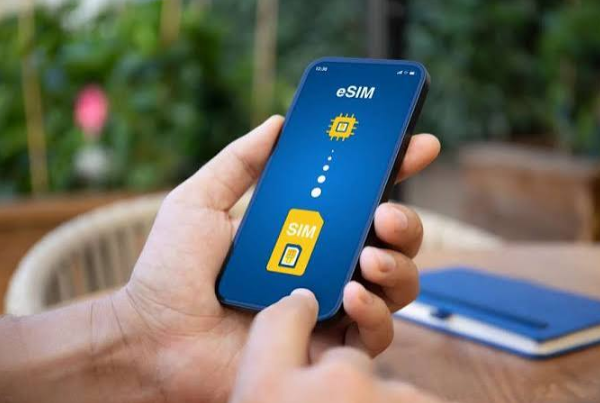
An eSIM is usually the easiest way to stay online abroad. You can buy it before you leave, install it in minutes and avoid expensive roaming fees. A local SIM card can still be cheaper for long stays. Here are five things to know before you choose.
1. Check that your phone supports eSIM
Most recent iPhones, Google Pixels and Samsung Galaxy phones support eSIM, but older or budget models may not. Your phone also needs to be unlocked, which means it is not tied to one mobile network. You can usually check both in your phone’s settings under “Mobile” or “Connections”.
2. Compare data plans, not just prices
Travel eSIMs are sold as data bundles, such as 5 GB for 15 days. Think about how you use your phone. Maps, messaging and email use little data, while video calls and streaming use much more. Regional plans that cover several countries can be good value if you are travelling across Europe or Asia.
See also: Pilates for Every Stage of Life: Building Strength, Mobility, and Long-Term Wellness
3. Know when a local SIM wins
If you are staying in one country for several weeks, a local prepaid SIM can offer more data for less money. It also gives you a local phone number, which helps with taxis, restaurants and deliveries. The downside is that you need to find a shop on arrival, and some countries ask for your passport to register the card.
4. Think about privacy
Many eSIM providers only need an email address, and some do not ask for any identity documents at all. That makes eSIMs attractive to travellers who want to share as little personal information as possible. A few providers go further and accept private payment methods such as Monero. Monero Friendly’s phone and SIM directory lists eSIM and mobile services that accept it, if that matters to you.
5. Install it before you travel
Set up your eSIM at home while you have Wi-Fi, then switch it on when you land. Keep your normal SIM active for calls and texts if you need them, but turn off data roaming on it to avoid surprise charges.
Stay safe on public Wi-Fi too
Even with an eSIM, many travellers still connect to hotel and airport Wi-Fi to save data. These networks are often open and shared, so avoid logging in to important accounts on them unless you use a trusted VPN. Turning off automatic Wi-Fi connections on your phone also stops it joining unknown networks without asking.
Quick checklist
- Phone is unlocked and supports eSIM
- Plan covers every country on your trip
- Data amount matches how you use your phone
- Roaming is switched off on your home SIM
Frequently asked questions
Can I keep my normal number with an eSIM?
Yes. Most phones can use two lines at once, so your home number stays active for calls and texts.
Can I reuse a travel eSIM?
Many providers let you top up the same eSIM for your next trip instead of buying a new one.
Does an eSIM work for phone calls?
Most travel eSIMs are data-only, but you can still make calls through apps such as WhatsApp, Signal or FaceTime.
Final thoughts
For most short trips, a travel eSIM is the simplest way to stay connected. Check your phone, pick the right data plan and install it before you go.