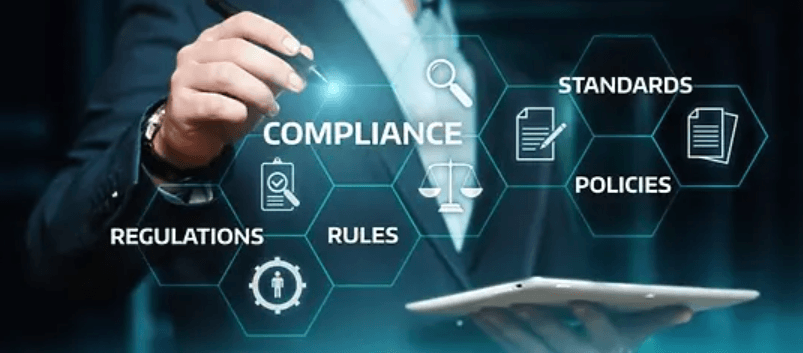
Key Steps to Achieve SOC 2 Compliance Successfully
Understanding SOC 2 Compliance Requirements
Achieving SOC 2 compliance starts with a deep understanding of the framework’s requirements. SOC 2 is built around five trust service principles: security, availability, processing integrity, confidentiality, and privacy. Each of these principles defines specific controls and standards that organizations must implement to protect customer data effectively. Understanding these principles helps businesses assess their current security posture and identify areas that need improvement to meet SOC 2 standards.
Conducting a Thorough Readiness Assessment
Before undergoing the formal SOC 2 audit, many organizations conduct a readiness assessment. This internal review helps to identify gaps in existing controls, policies, and procedures. Companies evaluate whether their systems meet the trust service criteria and where they fall short. The readiness assessment is a critical step because it allows organizations to proactively address deficiencies, reducing the risk of audit failures and costly remediation after the audit.
Implementing Necessary Controls for SOC 2 Compliance
Based on the readiness assessment, businesses must implement or enhance controls to secure their data environments. Key controls include access management policies that restrict who can view or modify sensitive information, encryption techniques that protect data in transit and at rest, incident response plans to quickly address security breaches, and continuous system monitoring to detect unusual activity in real time. Proper documentation of these controls is essential; auditors rely heavily on documented evidence to verify compliance during the SOC 2 audit.
The Role of Employee Training and Awareness
Employees are often the first line of defense against security threats. Therefore, regular training and awareness programs are vital for maintaining SOC 2 compliance. Training ensures that all staff members understand their responsibilities related to data security and privacy. This includes recognizing phishing attempts, adhering to password policies, and following proper data handling procedures. A well-informed workforce helps reduce human errors that could lead to security breaches.
Preparing for and Navigating the SOC 2 Audit
Engaging with a qualified third-party auditor early in the process can prepare organizations for the SOC 2 audit. Auditors provide guidance on expectations and the scope of the review. During the audit, the auditor evaluates the design and effectiveness of the implemented controls, depending on whether the audit is Type I or Type II. Type II audits, which assess controls over a period of time, require even more rigorous preparation and ongoing compliance efforts.
Maintaining Continuous SOC 2 Compliance
SOC 2 compliance is not a one-time certification but an ongoing commitment. Organizations must continuously monitor their systems for vulnerabilities and update their controls as new risks emerge. Regular internal audits and updated employee training programs are part of maintaining compliance. This proactive approach ensures the organization remains secure and compliant, protecting sensitive data from evolving cyber threats.
See also: How Aceget RECD Technology Is Helping Indian Industries Achieve Cleaner Diesel Generator Operations
Conclusion: Achieving Success with SOC 2 Compliance
Successfully achieving SOC 2 compliance is a significant milestone that demonstrates an organization’s commitment to data security and customer trust. While the process requires effort, investment, and continuous vigilance, the benefits of enhanced security, competitive advantage, and client confidence make it a valuable endeavor for any business operating in today’s data-driven world.