How Animal Clinics Provide Care For Small Mammals And Birds
You know something is off before you can prove it. Your bird is quieter than usual, your rabbit is eating less, your guinea pig is hiding, and suddenly a small change feels huge. That stress is real because small mammals and birds can decline fast, often before obvious signs show up. Good care is not just about treating illness once it becomes severe. It is about spotting subtle changes early, handling these species safely, guiding feeding and habitat choices, and helping you prevent problems that are easy to miss at home through preventive veterinary care in West Palm Beach.
How animal clinics provide care for small mammals and birds often comes down to one thing. These pets need a different standard of attention than cats and dogs. Their bodies are smaller, their stress response is stronger, and their symptoms are quieter. A clinic that offers care for birds and small mammals usually focuses on gentle exams, species-specific nutrition, careful diagnostics, and clear home care instructions that fit your daily life.
Small mammals and birds hide illness until they cannot
This is the part that catches many owners off guard. Birds, rabbits, hamsters, ferrets, rats, and guinea pigs are prey animals. In practical terms, they often mask pain and weakness. By the time you notice fluffed feathers, breathing changes, weight loss, or a drop in appetite, the problem may already be advanced.
That is why an animal clinic treating these pets pays close attention to details that might look minor to anyone else. A slight change in droppings, a new head tilt, overgrown teeth, feather damage, sneezing, or less interest in food can point to infection, dental disease, parasites, injury, or poor nutrition. A rabbit that stops eating is not being picky. That can turn into a digestive emergency. A bird sitting low on the perch may be conserving energy because it is sick, not resting.
The stress of transport and handling matters too. Clinics that see exotic pets often adjust the visit itself. They use quieter spaces, gentle restraint, warm support, and shorter handling times when possible. That lowers risk and gives the veterinarian a better picture of your pet’s true condition.
Animal clinics treat more than the illness in front of them
Many problems in these species start with husbandry, which means food, enclosure setup, sanitation, lighting, temperature, and social stress. You may be doing your best and still miss a need that is specific to your pet’s species. That is common, especially when pet store advice conflicts with veterinary guidance.
A clinic visit often includes a full review of the home setup because treatment fails when the underlying cause stays in place. A bird with recurring feather issues may need changes in diet, enrichment, or cage placement. A guinea pig with low vitamin C intake may need both treatment and a feeding plan. A rabbit with dental trouble may need pain relief, tooth care, and better access to hay. The UC Davis avian and exotics care and feeding guide shows how much proper feeding and daily care shape long term health.
Diagnostics are often part of that process. Depending on the species and symptoms, a clinic may recommend fecal testing, bloodwork, imaging, skin testing, or oral exams under safer controlled conditions. The goal is not to pile on tests. It is to avoid guessing in animals that can worsen quickly.
See also: Pilates for Every Stage of Life: Building Strength, Mobility, and Long-Term Wellness
Preventive care for exotic pets lowers emergencies and long term costs
Owners sometimes wait because their pet seems stable, or because they worry the visit itself will be stressful. That hesitation makes sense, but delayed care is usually harder on the animal and more expensive. A simple nutrition issue can turn into severe weakness. Mild respiratory signs can become a crisis. Overgrown teeth can lead to pain, weight loss, and gut problems.
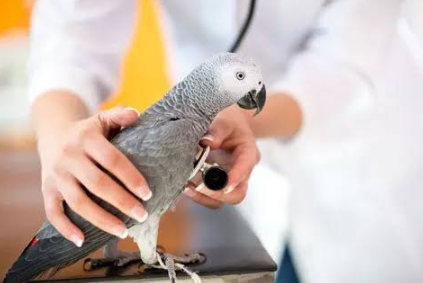
Routine checkups help catch disease before it becomes urgent. A pet bird care visit may include weight tracking, beak and nail assessment, diet review, and screening for signs of respiratory or feather problems. The University of Florida offers practical guidance on how to care for your pet bird, including housing, nutrition, and behavior concerns that often surface during veterinary visits.
Bird owners also need to think about household health. Some infections can spread between birds and people, especially when hygiene slips or cages are not cleaned properly. The CDC page on healthy interactions with pet birds is a useful reminder that safe handling protects both your pet and your family.
Home monitoring and professional care serve different purposes
| Situation | Home Monitoring | Clinic Care |
|---|---|---|
| Mild change in appetite | Track food intake for a few hours, note droppings and behavior | Needed if reduced eating continues, especially in rabbits, birds, and guinea pigs |
| Weight loss | Use a gram scale if you have one | Needed because small weight changes can signal serious disease |
| Breathing changes | Keep the pet calm and warm, reduce handling | Urgent exam because respiratory distress can worsen fast |
| Overgrown teeth or beak concerns | Do not trim at home unless you were trained by a veterinarian | Needed for safe correction and to find the cause |
| Habitat or diet questions | Review daily setup and feeding routine | Helpful for species-specific corrections that prevent repeat illness |
The line between watchful waiting and risky delay is thin with these pets. If your bird is puffed up, your rabbit is not eating, or your guinea pig is lethargic, home care is not enough. Professional care for small pets is built around that urgency.
Three steps you can take right now
1. Start a simple weekly log. Record weight, appetite, droppings, activity, and any changes in posture or breathing. Small patterns matter more than memory when your pet gets sick.
2. Review food and enclosure basics. Check whether your pet’s diet matches its species needs, whether the cage size is appropriate, and whether temperature, lighting, and enrichment are adequate. Many chronic issues begin there.
3. Book care early when behavior shifts. Do not wait for dramatic symptoms. A quieter bird, a rabbit eating less hay, or a ferret sleeping more than usual deserves attention before it becomes an emergency.
Early veterinary care gives small pets their best chance
When you live with a bird or a small mammal, you learn to notice tiny changes because tiny changes can mean a lot. You are not overreacting by paying attention. You are doing exactly what these animals need. The right animal clinic does more than treat a symptom. It looks at the whole picture, from diet and environment to safe handling and early diagnostics, so your pet has the best chance to recover and stay well.
If your pet is acting differently, seek veterinary care as soon as you can.