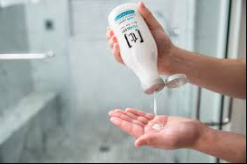
How to Transition to a Sulfate-Free Shampoo
Switching to a sulphate free shampoo is actually becoming popular among people who really want a gentler hair care regimen. Sulphates are cleansing ingredients which are commonly used in shampoos.
It fully creates foam that helps in removing oil, dirt along with product buildup. While they are effective for cleansing the scalp.
But, some people frequently notice that using strong cleansing shampoos can literally leave their hair feeling dry, and frizzy along with stripping natural oils.
So, if you are someone who is really thinking about switching. Then you may actually wonder whether you need to follow a special routine for your hair to feel smoother and stronger.
Well, the good news is that shifting to a sulphate free shampoo does not actually have to be complicated. But with few adjustments, you can help your hair and scalp adapt.
Therefore, in this guide you will explore sulphate free shampoo along with some few simple adjustments which allow you to transition to a sulphate free shampoo without facing any side effects.
What is Sulphate Free Shampoo?
Sulfate free shampoo is formulated without using sulfate surfactants such as sodium lauryl sulphate (SLS) as well as sodium laureth sulphate (SLES) rather it may actually be infused with milder cleansing ingredients. These really help in removing sweat, excess oil, dirt along with styling product residue.
When people actually search for the best shampoo for hair, they eventually see words such as sulphate and are really confused about what it does. One significant difference is actually the amount of lather.
Sulphate free shampoos may literally produce less foam than conventional shampoos. But, less foam does not mean less cleansing. The effectiveness entirely depends on the overall formulation of the product along with how it is used.
See also: Pilates for Every Stage of Life: Building Strength, Mobility, and Long-Term Wellness
Why Consider Switching?
Many times, people choose sulphate free shampoos for different reasons. If you are someone whose hair actually feels dry post-hair washing. Then you may totally prefer a mild product.
People with curly, or dry hair may literally find benefits from a gentle cleansing product and fits better into their daily hair care regimen.
But, sulphates are not actually harmful for everyone. If your current shampoo works good for your hair as well as scalp, then you may have no medical need to avoid them. The important thing is to actually choose a shampoo which matches your hair as well as scalp needs.
Choose The Right Sulphate-Free Shampoo
The first and important step is to select a formula which is actually suitable for your hair type.
For dry or frizzy hair, you should totally choose a gentle shampoo which is particularly formulated to maintain moisture. But, if you have an oily scalp, then you should totally look for a sulphate free shampoo which offers effective cleansing without leaving excessive residue.
For curly or textured hair, then you should fully look for a moisturizing formula which may actually help in maintaining softness and manageability. But, if you are concerned about hair thinning or hair loss then an anti hair fall shampoo may actually be a more suitable option.
However, you do not focus only on the labels ‘sulphate free’ on the bottle. You should totally look for the complete ingredient list along with considering other factors such as fragrance, conditioning ingredients as well as your personal scalp sensitivity.
Don’t Expect A Lot Of Foam
The biggest adjustments you eventually have to make is getting used to less lather.
Most people usually associate a rich, foamy shampoo with cleansing. But, foam is mainly for sensory experience and does not indicate how effective the shampoo is cleaning your scalp.
Use the Correct Amount
Using too much quantity of shampoo can make rinsing more difficult and it may even leave your hair feeling coated. You can follow the below steps:
- First, start with a small amount and add more only if needed.
- Wetting your hair before applying shampoo. As water may actually assist in distributing the product and allows you to use less shampoo.
- Gently massage with fingertips for a few minutes, afterwards rinse thoroughly.
If you literally have significant buildup or applied heavy styling products, then you actually may need a second wash occasionally.
Give Your Hair Time to Adjust
Your hair may actually feel different during the first few washes. It might literally feel less clean, softer or may even feel heavier than you are used to.
But, this does not mean that the shampoo is not working. Your hair care regimen is changing which is why you may need some time to actually determine how often you need to wash your hair along with how much product works best for you.
You should fully pay attention to your scalp as well as your hair rather than following a strict transition period. If you notice your scalp really feels comfortable along with your hair looks clean as well as manageable, then your routine is working well.
Signs You Should Stop or Change Products
If the new product causes persistent and severe itching, redness, swelling or notice worsening of scalp problems, then you should stop using it and seek professional advice.
However, you should totally keep in mind that ‘sulphate-free’ does not mean that the product will suit everyone. Individuals can really react to other ingredients in a formulation, including fragrance or preservatives.
Final Thoughts
Transitioning to sulphate-free shampoo is actually more about finding a cleansing regimen which matches your scalp and hair and less about following a complicated detox process.
Start with an appropriate formula, apply an adequate amount on thoroughly wet hair, gently massage with fingertips along with follow up with a conditioner.
Moreover, for people who are dealing with persistent and severe hair thinning or a hair loss, then they may totally look for best shampoo for hair fall which can help in some cases, however shampoo is only one part of the hair care routine and should not be considered the medical treatment for underlying cause.
Lastly, you should keep in mind that sulphate-free shampoo does not mean the overall product formulation is suitable for everyone. Sometimes, it comes with ingredients that may potentially irritate some individuals. That’s why you check the overall formulation before using a shampoo rather than focusing only on the words sulphate-free.