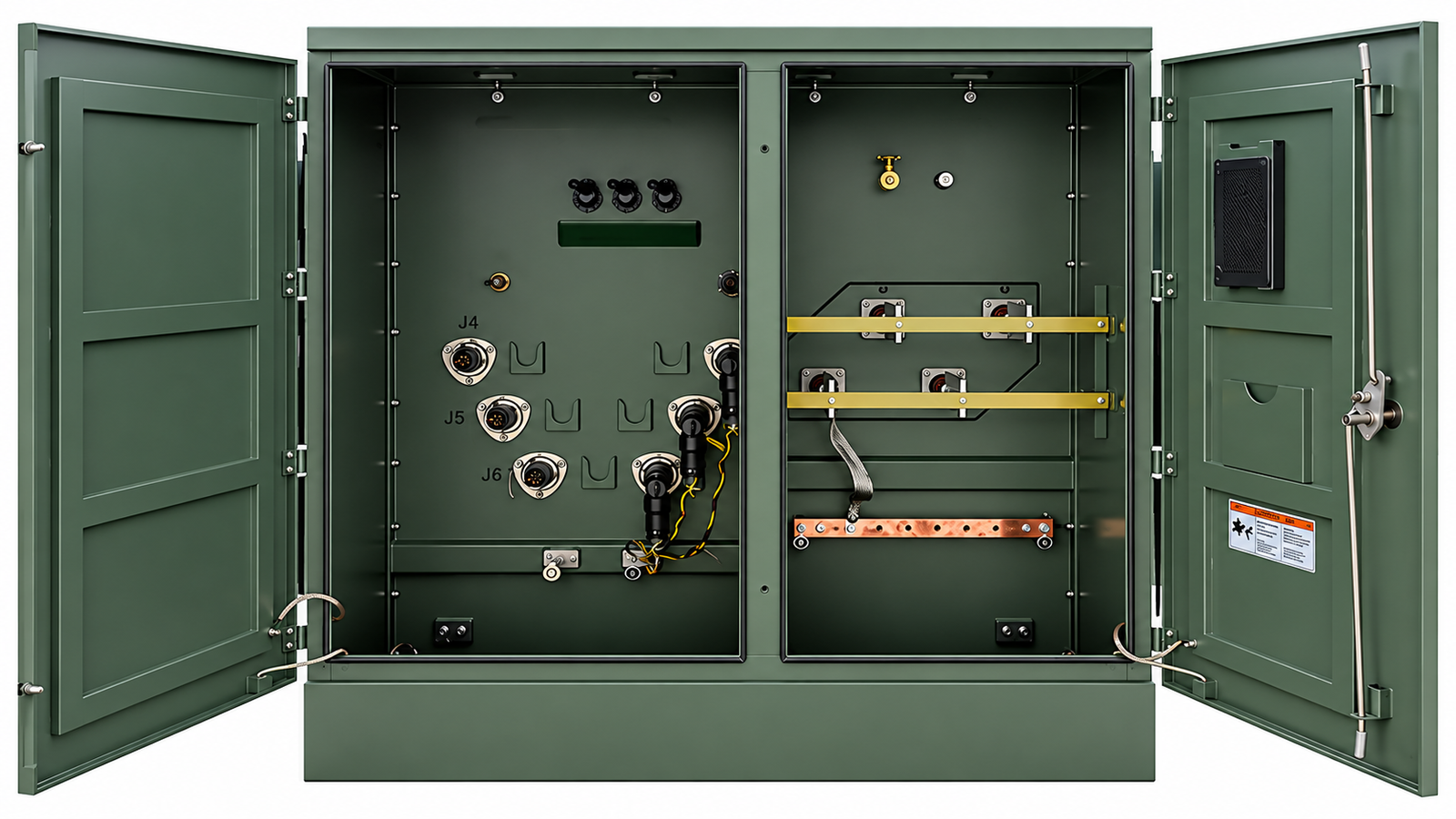
50KVA Transformer: Key Specifications, Applications and Factors to Consider Before Installation
Electrical systems in commercial buildings, industrial facilities and small manufacturing units require a dependable power supply to operate safely and efficiently. Selecting the correct transformer helps maintain voltage stability, protect connected equipment and prevent unnecessary energy losses. A 50KVA transformer is a practical choice for installations with moderate electricity demands, offering a balance between power capacity, operating efficiency and installation requirements. Understanding its specifications, available configurations and intended applications can help businesses make informed decisions before purchasing or arranging installation.
What Does a 50 kVA Transformer Do?
A transformer transfers electrical energy between circuits through electromagnetic induction. It changes voltage levels while maintaining the same frequency, allowing electricity to be distributed at a suitable voltage for different applications.
A 50 kVA rating represents the transformer’s apparent power capacity. The actual amount of usable real power depends on the connected load’s power factor. For example, at a power factor of 0.8, a fully loaded 50 kVA transformer supplies approximately 40 kW of real power.
This capacity can support smaller commercial premises, workshops, agricultural facilities and selected industrial applications. However, the correct rating depends on equipment requirements, operating schedules, starting currents and expected future demand.
Important Technical Specifications to Examine
Before selecting a transformer, buyers should understand several technical details that influence performance and compatibility.
1. Voltage ratings
Primary and secondary voltage ratings determine whether the transformer can connect to the available electrical supply and provide the required output. Common configurations include medium-voltage primary connections and low-voltage secondary outputs.
2. Single-phase or three-phase operation
The electrical configuration must match the site’s distribution system. Single-phase transformers serve suitable residential and smaller electrical applications, while three-phase equipment supports machinery and commercial installations requiring three-phase power.
3. Frequency compatibility
Transformers are manufactured for specific operating frequencies, commonly 50 Hz or 60 Hz. The selected unit must match the supply frequency to maintain the intended operating conditions.
4. Cooling arrangement
Cooling methods help control the heat generated during operation. Oil-immersed transformers use insulating oil to transfer heat away from internal components, while dry-type models rely on air circulation and other cooling arrangements.
5. Insulation and protection
Insulation quality, temperature ratings and protective equipment influence operating safety. Buyers should check applicable electrical standards, enclosure ratings and protection requirements before installation.
Where Are 50 kVA Transformers Commonly Used?
A transformer of this capacity can serve several types of electrical installations, provided the connected demand remains within its rated limits.
- Small manufacturing facilities: Suitable for selected production equipment, control systems and auxiliary machinery.
- Commercial buildings: Can support lighting, office equipment, ventilation systems and other electrical loads.
- Agricultural operations: May supply irrigation pumps, storage facilities and farm equipment.
- Workshops: Can provide power for tools, machinery and workshop distribution systems.
- Utility distribution: May form part of a local distribution arrangement where the electrical load and network design permit its use.
A proper load assessment is necessary before choosing the capacity. Equipment with large motors, compressors or frequent starting cycles may require additional capacity to handle temporary current demands.
Choosing Between Different Transformer Configurations
The installation environment and electrical distribution requirements determine which transformer design is appropriate.
A 50 KV transformer generally refers to a voltage-related specification rather than a complete transformer capacity rating. Buyers should confirm whether the intended reference is 50 kV, 50 kVA or another electrical specification. Voltage and power ratings describe different characteristics and should not be treated as interchangeable.
For installations using three-phase distribution, a 50 KVA 3 phase transformer may be suitable for supplying compatible machinery, commercial equipment and industrial electrical systems. Its selection should account for phase requirements, voltage ratios, load balancing and the starting characteristics of connected equipment.
Outdoor installations may benefit from a 50 KVA pad mounted transformer. This design is housed in a protective ground-mounted enclosure and is commonly used in underground distribution networks. Its enclosed construction helps protect internal components from environmental exposure and restricts access to live electrical parts. Installation must still follow the manufacturer’s clearance, ventilation, grounding and safety requirements.
Factors That Influence Transformer Purchasing Costs
Purchase budgets should account for more than the equipment’s advertised price. Several technical and commercial factors affect the final cost.
Transformer construction: Dry-type and oil-immersed designs have different manufacturing requirements, materials and maintenance considerations.
Voltage configuration: Primary and secondary voltage ratings, insulation levels and connection arrangements influence the manufacturing specifications.
Core and winding materials: Copper and aluminium windings have different electrical and economic characteristics. Material selection affects resistance, efficiency, weight and overall cost.
Efficiency requirements: A more efficient transformer may have a higher initial purchase cost but lower operating losses over its service life.
Protection and accessories: Monitoring equipment, protective devices, bushings, enclosures and other accessories can increase the total purchase amount.
Transportation and installation: Delivery, lifting equipment, site preparation, cabling and commissioning should be included in the project budget.
When comparing a 50 KVA transformer price, buyers should request quotations based on identical technical specifications. Comparing units with different voltage ratings, winding materials or efficiency levels can produce misleading cost differences.
Installation Requirements and Safety Considerations
Correct installation affects transformer performance, reliability and service life. The work should be carried out by qualified electrical professionals in accordance with applicable electrical regulations and manufacturer instructions.
The installation process generally involves:
- Site assessment: Check available space, ground conditions, accessibility and environmental exposure.
- Load verification: Confirm the connected electrical demand and account for expected future expansion.
- Foundation preparation: Provide a suitable foundation or mounting arrangement based on the equipment design.
- Electrical connections: Install primary and secondary connections using correctly rated cables and approved termination methods.
- Earthing: Establish appropriate grounding and bonding arrangements to support electrical safety.
- Testing and commissioning: Complete insulation resistance, winding resistance, ratio and other required electrical tests before energising the equipment.
Adequate clearance around the transformer is also necessary for inspection, maintenance and heat dissipation. Outdoor units should have suitable protection against water accumulation, corrosion and accidental damage.
Maintenance Practices That Support Long-Term Performance
Regular inspection helps identify developing faults before they cause unexpected interruptions. Maintenance requirements depend on transformer construction, operating conditions and manufacturer recommendations.
Useful maintenance activities include:
- Inspecting external surfaces, terminals and cable connections for visible damage.
- Checking for overheating, unusual noise, vibration or signs of electrical discharge.
- Examining insulating oil condition and checking for leaks in oil-filled units.
- Monitoring operating temperature and load levels.
- Cleaning ventilation openings and checking cooling equipment.
- Testing insulation and protective systems at suitable intervals.
- Reviewing maintenance records to identify recurring operating problems.
Dry-type and oil-filled transformers require different inspection procedures. Maintenance schedules should therefore follow the equipment manufacturer’s guidance rather than a single universal timetable.
Making a Suitable Transformer Selection
Selecting the correct transformer requires an understanding of the electrical supply, connected equipment and installation environment. Buyers should review voltage ratings, phase configuration, efficiency, cooling arrangements and protection requirements before requesting quotations.
Working with an experienced transformer manufacturer or electrical service provider can help ensure that equipment specifications match the project’s requirements. Proper installation, commissioning and scheduled maintenance also contribute to dependable operation and longer equipment life.
A carefully selected transformer provides a reliable foundation for electrical distribution, helping commercial and industrial facilities operate within their required power limits.