Where to Sell Luxury Bags in Singapore: Consignment, Resale Shops or Private Buyers?
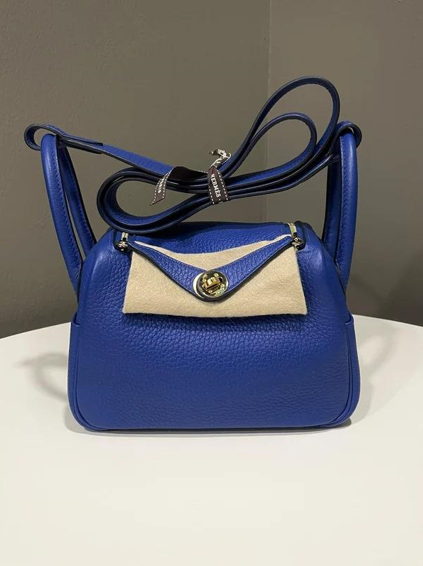
A Hermès Birkin or a Chanel Classic Flap can sell for far more or far less than its owner expects, and the difference often comes down to the channel chosen, not the bag. Singapore has an active resale market with three main routes, and each one trades speed, price and effort in a different way.
The routes also overlap less than people assume. Anyone planning to sell luxury bag Singapore buyers want to purchase should understand what each channel pays, how long it takes and what risks come with it before approaching any of them.
Consignment: slower, but usually the highest payout
With consignment, a business lists and sells the bag on your behalf and keeps a commission once it sells. You never receive a fixed price upfront. Instead, you agree on a listing price and a split, and you are paid when a buyer completes the purchase.
The payout is usually the best of the three routes, because the bag is sold at close to retail resale value instead of a trade-in discount. Commission rates in the market commonly range from around 20 to 40 per cent, and they tend to fall as the sale price rises. A bag listed at $12,000 will often carry a lower percentage than one listed at $1,500.
The costs are time and uncertainty. Popular styles in neutral colours can sell within a few weeks, while niche colours, exotic leathers or heavily worn pieces can sit for months. Ask each consignor how long the listing runs, whether the price drops automatically after a set period, and what happens if the bag does not sell.
Also ask about insurance and storage. Your bag sits in someone else’s premises for the length of the listing, so confirm in writing who carries the risk of loss, damage or theft.
See also: Pilates for Every Stage of Life: Building Strength, Mobility, and Long-Term Wellness
Resale shops: fast cash, lower offer
A resale shop that buys outright pays you on the spot and takes on the risk of reselling the bag. This is the quickest route. Many shops will appraise a bag in a single visit and transfer the money the same day.
The price reflects that convenience. Offers usually land well below the final retail price, often 40 to 60 per cent of expected resale value, because the shop must cover its margin, overheads and the chance that the bag stays unsold. Bags in current demand fetch offers at the upper end of that range, while older or unusual styles get cut sharply.
This route suits someone who needs cash quickly, is clearing several items at once or does not want to deal with buyers. It works poorly for rare, high-value pieces, where the gap between a trade-in offer and the true market price can run into thousands of dollars.
Get at least two or three appraisals before accepting. Offers for the same bag can differ by a large margin between shops, and a shop that quotes noticeably high may be using the number to get you through the door, with the final price revised after inspection.
Private buyers: the widest range of outcomes
Selling directly through online marketplaces, social media groups or personal contacts removes the middleman, which means you keep the full sale price. For sought-after bags, the result can beat both other routes.
The risks are also the highest. Scammers target luxury sellers with fake payment confirmations, forged transfer screenshots and requests to ship before funds clear. Buyers frequently demand extra photos, authentication proof and meetups at odd locations, and a deal can fall apart after weeks of messages.
If you go this way, meet in a public place such as a mall or a bank branch, confirm payment has actually landed in your account before handing over the bag, and never release the item on the strength of a screenshot. Keep the transaction in writing. For bags over a few thousand dollars, many sellers insist on an independent authentication report before listing, because it makes buyers more willing to pay a fair price.
Private selling also demands more of your time. Photographing the bag well, answering questions, haggling and arranging meetups can add up to many hours, which is worth counting against the extra money you expect to make.
What affects the price on any route
Regardless of the channel, four things set the value of a luxury bag.
Brand and model. Chanel, Hermès, Louis Vuitton and Dior hold value best, and within those brands a few lines dominate resale. Classic styles hold their value better than seasonal designs.
Condition. Corner wear, scratches on hardware, edge fraying, interior stains and odours all reduce the price. A bag that looks lightly used earns noticeably more than one with visible wear, so a professional clean before listing is often worth the cost.
Completeness. The dust bag, box, authenticity card, receipt and any original accessories add real value. A bag with its original receipt is far easier to authenticate and sell.
Timing. Prices tend to rise after retail price increases announced by the brands, since resale values follow what a new bag costs. Selling shortly after such an announcement can help.
Brand-specific buyers
Some buyers specialise. Chanel pieces, for example, attract dedicated collectors who pay more for particular sizes, leathers and hardware finishes, and a buyer familiar with the line can price a bag accurately where a generalist cannot. A specialist page such as the one covering how to sell Chanel bags explains what that kind of buyer looks for, including the details that distinguish a premium classic flap from a standard one.
Specialisation matters most for rare or older pieces. A general second-hand dealer may recognise the name but miss the details that separate a $4,000 bag from a $9,000 one, so ask whether the person assessing your bag handles that brand regularly.
Choosing between the three
Put the bag and the situation side by side. A recent, popular model in excellent condition with full documentation suits consignment or a private sale, where it can reach top price. A bag that has seen heavy use, or one the owner wants gone this week, is better placed with a resale shop that pays on the spot.
Many owners split their collection. They consign the high-value pieces, sell the minor ones outright and keep one or two for private sale. Pricing each bag against recent comparable sales, not against what it cost new, gives a realistic starting point on every route.
Whichever channel you pick, collect your paperwork first, photograph the bag in daylight from every angle and be honest about its flaws. Honest listings sell faster and avoid disputes after the sale.
Owners who want a straightforward starting point can browse Love Lots Luxury to see how an established Singapore reseller presents its listings and consignment process, then compare it with whatever other options they have gathered.