5 Cosmetic Dental Enhancements That Work Best When Combined With Preventive Care
You may be thinking about whitening, veneers, or bonding because your smile no longer matches how you feel inside. That feeling is common. A small chip, stains that do not lift, or teeth that look worn can sit in the back of your mind every time you laugh, speak, or show up for photos. Cosmetic treatment can help, and for patients exploring broader options like dental implants in Upper East Side and Midtown Manhattan, the part many people miss is this: the best-looking results usually last longer when your daily care and routine dental visits are solid first.
That is the real connection between appearance and health. Cosmetic work sits on top of the same teeth and gums you use every day. If plaque buildup, gum irritation, grinding, or untreated decay are already there, even beautiful dental work can lose its edge sooner than you hoped. Cosmetic dental enhancements with preventive care are not about doing more for the sake of it. They are about protecting your time, your comfort, and your investment.
Preventive care gives cosmetic dentistry a stronger foundation
Cleanings, exams, fluoride when needed, and good home care sound basic, but they shape what cosmetic treatment can achieve. The CDC’s adult oral health tips stress brushing with fluoride toothpaste, cleaning between teeth, limiting added sugars, and keeping up with dental visits. Those habits are not separate from appearance. They help control the staining, decay, and gum problems that can shorten the life of cosmetic work.
You see the difference when someone whitens teeth without treating gum inflammation first. The color may improve, but sensitivity can feel worse and the final look may be uneven because the gums are not healthy. The same thing happens with veneers placed on a mouth that has untreated grinding. The smile can look great at first, then tiny fractures, edge wear, or soreness start to show up. Prevention is what keeps the cosmetic result from fighting against daily stress.
The larger picture backs this up. The National Institute of Dental and Craniofacial Research report connects oral health with overall health and quality of life, which is another reason cosmetic and preventive treatment work best together. A smile makeover is easier to maintain when the mouth is healthy to begin with.
Five cosmetic dental treatments work better when prevention comes first
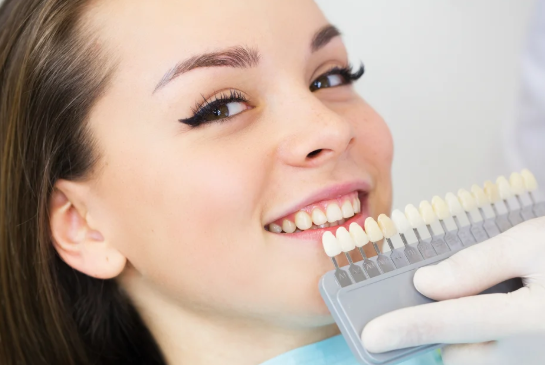
Teeth whitening is often the first step because it is conservative and can brighten your smile quickly. Professional whitening tends to be safer and more predictable than random store products, especially if you already have sensitivity or old fillings on front teeth. The American Dental Association’s teeth whitening guidance explains why a dental exam matters before whitening starts. Preventive care helps by reducing surface buildup, checking for cavities, and managing gum irritation that can make whitening uncomfortable.
Dental bonding can reshape a chipped tooth, close small gaps, and smooth uneven edges. It works best when decay is ruled out and bite pressure is under control. If you clench at night, bonding on front teeth may chip sooner without a nightguard or bite evaluation.
Porcelain veneers can change color, shape, and spacing in a dramatic but natural-looking way. They also demand healthy gums and stable enamel. If bleeding gums or recession are present, veneers may not frame the smile the way you expected, and margins can become harder to keep clean.
Clear aligners or limited orthodontic treatment improve alignment, which often makes the smile look cleaner even before any whitening or bonding. Straightening teeth also helps preventive care because crowded areas trap more plaque and are harder to floss well.
Tooth-colored crowns or cosmetic recontouring restore worn, cracked, or misshapen teeth. These options depend on healthy surrounding tissue and a clear plan for preventing future damage. If the original problem was grinding, acid wear, or neglected decay, cosmetic repair alone will not stop it from happening again.
Professional cosmetic treatment and preventive support create better long term value
| Treatment | Cosmetic Goal | Preventive Support That Helps | What Can Go Wrong Without It |
|---|---|---|---|
| Teeth whitening | Brighter enamel | Cleaning, cavity check, gum evaluation | Sensitivity, uneven results, untreated decay |
| Bonding | Fix chips, small gaps, shape | Bite check, nightguard if needed, hygiene visits | Chipping, staining, rough edges |
| Veneers | Change shape, color, symmetry | Healthy gums, plaque control, regular exams | Gum irritation, margin problems, shorter lifespan |
| Clear aligners | Straighter smile | Daily brushing, flossing, retainer use | Decalcification, relapse, gum swelling |
| Crowns or recontouring | Restore worn or damaged teeth | Decay control, bite protection, fluoride when needed | Repeat damage, sensitivity, new fractures |
This is where cost starts to make more sense. Preventive care is usually less expensive than replacing or repairing cosmetic work that failed early. If you have ever paid for a whitening kit that barely changed anything, or had bonding stain faster than you expected, you already know the frustration. Preventive care for cosmetic dentistry lowers the odds of paying twice for the same concern.
Small steps now can protect your smile and your budget
1. Start with a full exam and cleaning. Before choosing any smile upgrade, get clear on the condition of your gums, enamel, bite, and existing dental work. That gives you a realistic plan instead of a rushed cosmetic fix.
2. Match the treatment to the real problem. Stains respond differently than cracks, gaps, or worn edges. A good general and cosmetic dentist can tell you when whitening is enough, when bonding makes sense, and when veneers or aligners are the better fit.
3. Build maintenance into the plan. Ask what your result will need six months and two years from now. That may mean a retainer, a nightguard, touch-up whitening, fluoride, or more frequent hygiene visits. Cosmetic dentistry lasts longer when maintenance is part of the decision from day one.
See also: The Hidden Advantage Behind Faster Business Decisions
A healthier mouth makes cosmetic results easier to keep
You do not need a perfect mouth before you ask for a better-looking smile. You do need a plan that respects how cosmetic treatment and prevention depend on each other. When cleanings, home care, and early treatment of small problems come first, whitening looks cleaner, bonding lasts better, veneers sit on healthier gums, and alignment changes are easier to maintain.
If you are ready to improve your smile, start with a consultation with a general and cosmetic dentist who will look at both appearance and long term oral health. That approach gives you results you can enjoy without second-guessing every coffee, photo, or bite.