Does a Derma Roller Actually Work for Hair Growth?
Derma rollers are everywhere as an affordable, at-home fix for hair loss, but do they actually work, or is it just hype? The honest answer is that there is real evidence they can help, particularly when used alongside other treatments, though results vary from person to person. This article takes a clear, balanced look at what a derma roller is, what the evidence says, how it works, and how to use one safely for the best chance of results. Please note this is general information only and not medical advice. If hair loss is a concern for you, a professional can offer guidance tailored to your situation.
What Is a Derma Roller?
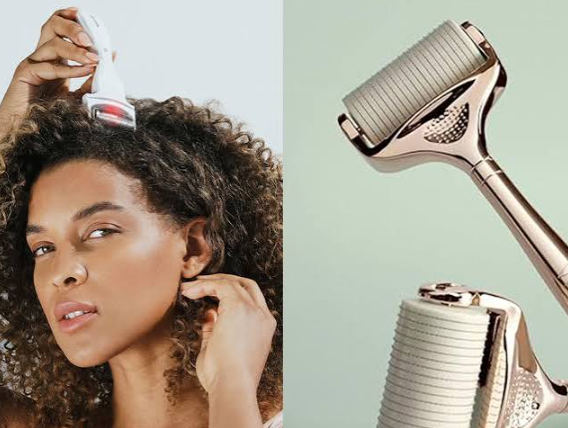
A derma roller is a handheld device covered in hundreds of tiny needles that create controlled micro-injuries in the scalp. It is essentially a form of at-home microneedling, a technique also used on the skin to improve its appearance. When rolled over areas of thinning hair, the device is designed to stimulate the scalp and encourage hair growth. Its popularity comes down to being an accessible and low-cost option compared to in-clinic treatments, which is why so many people turn to it as a first step in addressing hair loss.
Does a Derma Roller Actually Work for Hair Growth?
There is some evidence that derma rolling can support hair growth, so it is not pure marketing. The important nuance is that the strongest results tend to come when it is combined with other treatments, particularly minoxidil, rather than used entirely on its own. Evidence for derma rolling alone is more limited, and more research is still needed. In short, a derma roller can help, but it is best thought of as one part of a broader approach to hair loss rather than a standalone miracle fix.
See also: Pilates for Every Stage of Life: Building Strength, Mobility, and Long-Term Wellness
How Does a Derma Roller Work?
The theory behind a derma roller is that the tiny micro-injuries it creates prompt the scalp to respond in several helpful ways. These include boosting blood flow to the area, triggering the body’s natural wound-healing response, and encouraging the release of growth factors, all of which may support hair follicles. The micro-channels also improve how well topical treatments are absorbed into the scalp. Many people exploring a derma roller for hair growth are drawn to this combination of effects, though it is worth noting these are the proposed mechanisms and the research behind them is still developing.
What the Research Says
The evidence base is growing, even if it is not yet complete. A well-known 2013 trial found that microneedling combined with minoxidil produced noticeably better results than minoxidil used alone. Broader reviews have also suggested potential benefit from microneedling for hair loss. The key caveat is that much of this research pairs the derma roller with another therapy rather than testing it in isolation, and researchers consistently note that more study is needed. So while the findings are encouraging, they should be read as promising rather than conclusive.
Derma Roller and Minoxidil: Better Together?
One of the clearest messages from the research is that a derma roller and minoxidil appear to work better together than either does alone. The microneedling may improve how well the minoxidil is absorbed into the scalp, while also contributing its own stimulating effect. If you choose to combine them, it is generally advised to time them separately rather than applying minoxidil immediately after rolling, and to follow proper guidance. This combined approach is where the best-documented results have been seen, making it a sensible strategy for many people.
What Results Can You Realistically Expect?
Setting honest expectations is important. Results from a derma roller take months of consistent use to appear, and they vary considerably between individuals. The treatment works best in cases of early-stage thinning, where the hair follicles are still alive and active. It cannot revive follicles that have long since died, so it is not a solution for advanced or long-established baldness. Patience and consistency are essential, and anyone expecting dramatic overnight change is likely to be disappointed. Thinking in terms of gradual improvement over months is far more realistic.
How to Use a Derma Roller Safely
Using a derma roller correctly and hygienically is crucial. Choose an appropriate needle size for at-home use, and always disinfect the roller both before and after each session. Roll gently over the thinning areas in different directions to cover the scalp evenly, and limit use to once or twice a week to give your scalp time to recover between sessions. Hygiene cannot be overstated here, as a poorly cleaned roller can cause infection. Taking these precautions seriously protects both your scalp and your results.
Who Should and Shouldn’t Use One
A derma roller may suit those with early-stage thinning who want an accessible at-home option. It is not right for everyone, however. People with scalp conditions, active infections, or certain skin issues should consult a professional before trying one, as rolling over affected skin can make things worse. If you are unsure whether it is appropriate for you, seeking advice first is the sensible course. Used by the right person in the right way, it is a low-risk option, but it is not universally suitable.
Frequently Asked Questions
Does a derma roller really work for hair growth?
There is some evidence it can help, especially alongside minoxidil. Used alone the evidence is more limited, and results vary between individuals.
What needle size is best for hair growth?
Shorter needles are generally recommended for at-home use. Longer needles are best left to professionals, as they carry greater risk if used incorrectly.
How often should you use a derma roller on your scalp?
Once or twice a week is commonly advised, allowing the scalp to recover between sessions. Overuse can irritate the skin and hinder results.
Can you use a derma roller with minoxidil?
Yes, and the combination is where the strongest results have been documented. Time them separately rather than applying minoxidil straight after rolling.
In Summary
So, does a derma roller actually work for hair growth? There is genuine evidence that it can help, particularly when paired with minoxidil, but results vary, take months to show, and depend on correct, hygienic use. It works best for early-stage thinning rather than long-established hair loss. This article is general information only and not medical advice. If your hair loss is persistent or worsening, speak with a professional who can recommend the right approach for your circumstances.