The Role Of Preventive Dentistry In Maintaining Bright Smiles
You brush, maybe you floss when you remember, and you hope that is enough. Then a little sensitivity shows up, or your gums bleed when you rinse, and suddenly a small worry starts taking up more space than it should. That is how dental problems often begin, which is why seeing a Barlett dentist can make a difference. Not with a dramatic emergency, but with quiet signs that are easy to put off until they are harder and more expensive to fix.
The role of preventive dentistry in maintaining bright smiles is simple. It helps you stop small issues before they turn into pain, staining, decay, or tooth loss. A healthy smile usually looks brighter because clean teeth, strong enamel, and healthy gums reflect good care. Prevention does not mean perfection. It means steady habits, routine checkups, and early treatment when something starts to shift.
Preventive dental care protects more than appearance
A bright smile is not only about whitening products or polished photos. Teeth look their best when plaque is removed, enamel is protected, and gums stay firm instead of swollen. That is why preventive dental care for bright smiles matters. It supports the look of your teeth by protecting their health first.
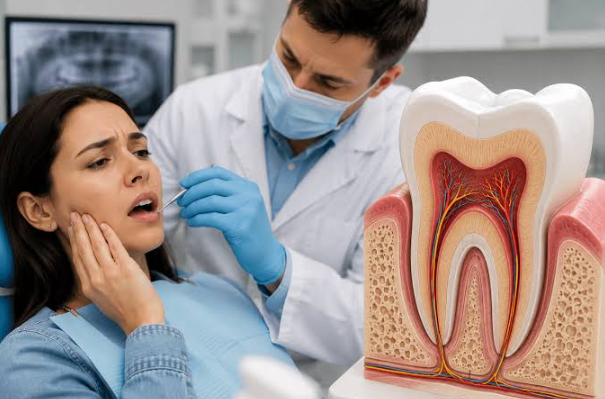
Tooth decay is still one of the most common oral health problems, and it does not always hurt right away. The CDC explains that cavities form when bacteria in the mouth make acids that wear away tooth enamel. You can read more about how cavities and tooth decay develop. Once decay breaks through enamel, the fix gets more involved. A simple cleaning no longer solves it. You may need a filling, crown, or root canal, and none of those are things people plan for when money is already tight.
Gum disease follows a similar pattern. It often starts with mild bleeding or tenderness, then deepens into infection and bone loss if it is ignored. That can affect how your smile looks and how secure your teeth feel when you eat or speak. You may be trying to avoid the dentist because you fear bad news, but delay usually gives the problem more time to grow.
Small preventive habits stop expensive dental treatment
The hard part is that everyday habits feel too ordinary to matter much. Skipping one brushing, putting off one cleaning, or telling yourself you will call next month does not seem serious in the moment. Over time, though, those choices stack up. Plaque hardens into tartar. Surface stains settle in. Tiny weak spots in enamel become cavities.
Preventing dental problems is often less stressful than treating them. A child who gets sealants may avoid decay in the chewing grooves of back teeth, where brushing often misses. According to the CDC, dental sealants can prevent many cavities in molars. An adult who keeps regular cleanings may catch a cracked filling before it turns into an infection. A patient who wears a night guard for grinding may avoid worn edges and sensitivity that make teeth look dull and uneven.
There is also the emotional side. When you are worried about your breath, stains, or bleeding gums, you notice it in conversations. You smile less. You cover your mouth. You start editing yourself in ways other people may never see, but you feel them all day. Preventive visits can feel routine from the outside, yet they often restore a sense of ease that people have quietly been missing.
See also: Pilates for Every Stage of Life: Building Strength, Mobility, and Long-Term Wellness
General dentist visits create a clearer path to a healthy smile
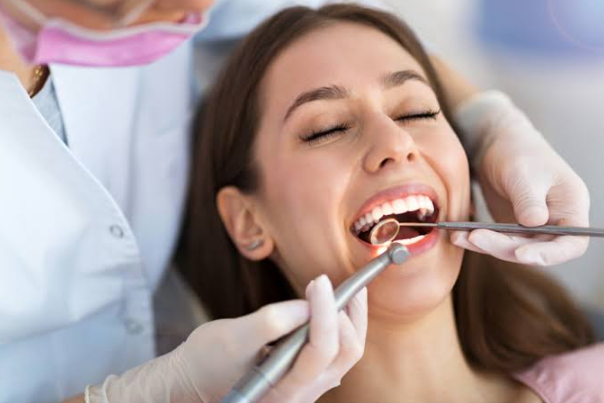
A general dentist does more than check for cavities. Regular visits usually include professional cleanings, exams, X rays when needed, fluoride support, gum evaluation, and guidance that fits your actual habits. That last part matters. Advice only helps if it works in real life. If you drink coffee every morning, clench your teeth at night, or care for a child who resists brushing, your dental plan should reflect that.
Many people also assume decay or gum disease will be obvious when it starts. Often it is not. MedlinePlus offers a useful overview of tooth decay symptoms and treatment, including the fact that early stages may have no symptoms at all. That is one reason preventive care is so effective. It catches what you cannot see from the bathroom mirror.
Daily care and professional preventive dentistry work better together
| Approach | What It Helps With | Limits |
|---|---|---|
| Brushing twice a day at home | Removes plaque, freshens breath, reduces surface stains | Misses tartar, hidden decay, and gum pockets |
| Flossing or interdental cleaning | Cleans between teeth where cavities often start | Technique matters, many people skip hard to reach areas |
| Whitening toothpaste or strips | May improve some surface discoloration | Does not treat decay, gum disease, or deep stains |
| Routine general dentist visits | Professional cleaning, early detection, personalized prevention | Works best when visits are consistent, not only for emergencies |
Home care and office care are not competing options. They cover different needs. You need both if your goal is a smile that stays clean, strong, and bright over time. If you rely only on whitening products while plaque builds near the gums, the result may look uneven and feel disappointing. If you only go in for cleanings but ignore daily brushing and flossing, problems rebuild between visits.
Three steps make preventive dentistry easier to keep up with
Build one simple routine you can repeat. Brush for two minutes twice a day with fluoride toothpaste. Clean between your teeth once a day. If your current routine is inconsistent, do not aim for perfect. Aim for repeatable. A simple routine done daily beats an ambitious plan that fades in a week.
Schedule care before pain makes the decision for you. Preventive appointments are easier, shorter, and usually less costly than treatment visits after a problem flares up. If it has been a while, booking a checkup with a general dentist gives you a clear baseline and a chance to address concerns early.
Pay attention to small changes. Sensitivity, bad breath that lingers, bleeding gums, rough spots on teeth, or new staining can all be early signs that something needs attention. These changes are not always urgent, but they are worth checking. Early action often means simpler care.
Prevention keeps bright smiles more natural and more lasting
You do not need to wait for pain or visible damage to start taking your oral health seriously. Preventive dentistry supports the kind of smile people usually want most, one that looks clean, feels comfortable, and holds up in daily life. A brighter smile is often the result of healthier teeth and gums, not a quick cosmetic fix.
If your routine has slipped or you have been putting off a visit, now is a good time to schedule with a general dentist and get ahead of the problem before it grows. Small steps taken early can protect your comfort, your confidence, and your smile for years.