Why Detailed Shade Mapping Matters For Front Tooth Restorations
You notice a front tooth long before anyone else does. A chip, an old filling, a crown that never quite matched, a tooth darkened after trauma. It sits in the center of every smile and every photo, so even a small mismatch can feel bigger than it looks on paper. That stress is real. You are not being overly picky if you want a front tooth restoration to blend in. For patients interested in laser dentistry in Des Moines, careful cosmetic planning can also help create results that look natural.
The problem is simple to describe and hard to fix without care. Front teeth are not one flat color. They carry layers, light, translucency, tiny shifts from the gumline to the edge, and even differences from one side to the other. A restoration that matches only the basic shade can still look off. That is why detailed shade mapping matters. It gives your dentist and lab a fuller picture of how your natural tooth actually looks, which improves the odds of a result that feels like your own smile again.
Front tooth restorations fail visually when shade matching is too basic
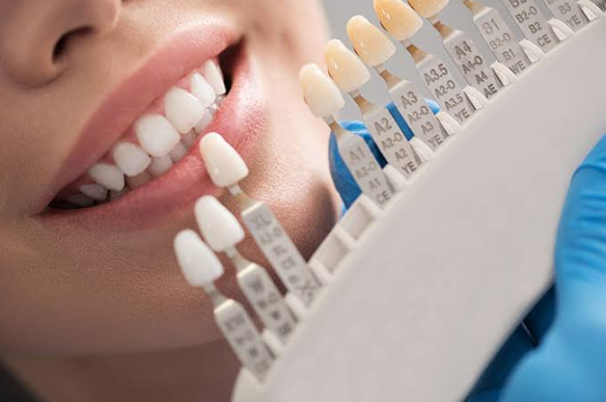
Shade tabs help, but they are only a starting point. If a restoration is chosen from a single shade tab without recording the tooth’s character, the final result can look too bright, too gray, too opaque, or too flat. You may have seen this before in someone else’s smile without knowing why it stood out. The crown was the right shape, the bite was fine, but the tooth did not reflect light like the teeth next to it.
That happens because front teeth have zones. The area near the gum can be warmer or more saturated. The middle third often carries the main body color. The incisal edge, the part near the tip, is usually more translucent. Some teeth have white flecks, craze lines, or subtle halos. A single shade choice misses all of that.
In anterior tooth shade matching, details matter because the eye is drawn to contrast. Even if other people cannot name the issue, they often sense it. You might find yourself covering your mouth when you laugh or avoiding close photos because one tooth catches the light differently. That is not vanity. It is your brain noticing a break in symmetry.
Detailed shade mapping captures the layers that make a smile look natural
Detailed shade mapping records more than “A2” or “B1.” It notes value, chroma, translucency, surface texture, internal effects, and how the tooth responds under different light. Photos, polarized images, digital shade tools, and custom lab notes all help. Some practices also use advanced materials informed by ongoing dental materials research, which supports restorations that mimic natural enamel and dentin more closely.
This matters even more for cosmetic bonding, veneers, and crowns on the front teeth. A restoration can be technically strong and still feel disappointing if the color is off. Research on color selection and restorative outcomes continues to show that optical properties, layering, and controlled shade communication affect esthetic success. One review on restorative materials and color behavior points to the challenge of reproducing natural tooth appearance when translucency and light diffusion are not fully considered. You can read more in this published review on esthetic restorative materials.
There is also a communication issue. If the dentist sees one thing, the assistant records another, and the lab receives only a basic shade, the final restoration may miss the mark even when everyone involved is skilled. Better mapping closes that gap. A strong clinical guide from Penn’s dental school outlines how systematic shade analysis, photography, and environmental control improve consistency. That resource on tooth shade selection and communication reflects what many patients never realize is happening behind the scenes.
See also: Pilates for Every Stage of Life: Building Strength, Mobility, and Long-Term Wellness
Professional shade mapping lowers the risk of remakes, delays, and frustration
If a front crown or veneer comes back from the lab and does not match, the next step is often a remake or chairside adjustment. That costs time. It can add expense. It can also wear on your trust, especially if you already felt nervous about treatment. One extra appointment may not sound like much, but if you took time off work and spent weeks in a temporary restoration, it feels like a lot.
| Approach | What It Includes | Likely Result For Front Teeth | Common Drawback |
|---|---|---|---|
| Basic shade selection | Single shade tab match under room light | May be close in general color | Can look flat, opaque, or too bright next to natural teeth |
| Detailed shade mapping | Photos, zone mapping, translucency notes, texture, lab communication | Better blend with neighboring teeth and more natural light reflection | Takes more planning and a little more chair time |
| Digital shade analysis with mapping | Instrument reading plus visual and photographic review | Higher consistency, especially in complex cosmetic cases | Still depends on clinician judgment and lab execution |
This is where front tooth color matching changes the experience. Good shade mapping is not about perfection for its own sake. It is about reducing avoidable disappointment. In general, cosmetic, and restorative dentistry, that level of planning often makes the difference between “good enough” and “that looks like my tooth.”
Three practical steps help you get a better front tooth restoration
Ask how the shade will be recorded. You want more than a quick glance at a shade tab. Ask whether the team takes close photos, notes color zones, and communicates directly with the lab for front tooth work. If the answer is vague, that tells you something.
Schedule shade selection before your teeth dry out. Teeth look lighter when they dry during a long appointment. Early shade capture, before isolation and prolonged mouth opening, often gives a truer reading. If you are choosing a veneer or crown shade, this small detail matters.
Bring up your concerns about one specific tooth. If a neighboring tooth has a gray edge, white spot, or more translucency, say it out loud. Patients often assume the dental team will notice every detail. They may, but your concern helps focus the plan. Your input is part of the process, especially in visible cosmetic work.
A natural looking result starts with a more precise plan
You do not need to know the technical terms to know when something looks right. You just want your smile to feel like yours. Detailed shade mapping gives front tooth restorations a better chance of blending in, reflecting light naturally, and avoiding the obvious “dental work” look that so many people fear.
If you are considering treatment through general, cosmetic, and restorative dentistry, ask for a restoration process that respects the details. That extra care at the start can spare you a lot of frustration later.