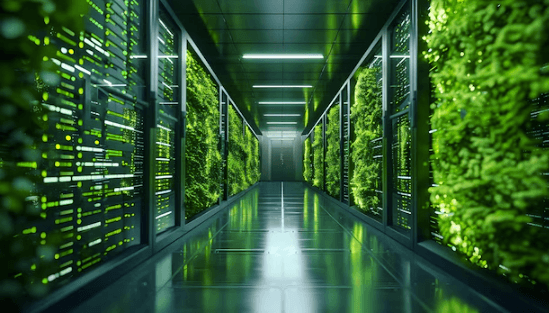
Green Data Center Innovations
Green data centers blend energy efficiency with intelligent cooling, power systems, and modular designs. A systems-minded, data-driven approach aligns operations with lifecycle thinking and robust metrics. On-site renewables and decoupled architectures reduce exposure to grid volatility while enhancing reliability and governance. Interoperability and transparent analytics enable scalable, autonomous performance optimizations. The framework invites careful comparison and continuous improvement, but questions remain about integration challenges and long-term profitability under evolving regulations.
What Green Data Centers Do for Your Bottom Line
Green data centers influence the bottom line primarily through energy efficiency, reduced cooling costs, and optimized resource utilization. They quantify savings via energy audits, benchmarking, and scalable capacity planning. Operational transparency reveals waste reduction opportunities, minimizing material and power loss. A systems-minded approach aligns procurement, maintenance, and deployment with sustainability metrics, enabling agile, freedom-focused governance that sustains profitability while shrinking environmental footprint.
Next-Gen Cooling and Power: Smart Systems That Save Energy
Could next-generation cooling and power systems deliver measurable energy savings in data centers, and if so, how? They leverage cooling optimization and power analytics to continuously modulate airflow, temperature setpoints, and load distribution. This data-driven approach minimizes waste, reduces peak demand, and enhances fault resilience.
Results prioritize sustainability, operational clarity, and freedom to deploy modular, scalable energy-saving controls across enterprise infrastructure.
On-Site Renewables and Modularity: Designing for Tomorrow
On-site renewables and modular design are positioned to decouple data-center energy from grid volatility while enabling scalable, resilient operations. The approach emphasizes integrated systems thinking, lifecycle efficiency, and flexible capacity. Data demonstrates improved reliability and emissions reduction through diversified generation and rapid deployment.
on site renewables and modularity design enable autonomous operation, cost predictability, and adaptive infrastructure aligned with sustainable growth.
Measuring Impact: Metrics, Interoperability, and Lifecycle Thinking
Measuring impact hinges on robust metrics, interoperability, and lifecycle thinking that together illuminate performance across environmental, economic, and social dimensions.
The analysis centers on compliance metrics and interoperability standards to compare data center footprints, supply chains, and end-of-life handling.
A systems view reveals trade-offs, enabling transparent reporting, continuous improvement, and decision freedom for stakeholders pursuing sustainable, scalable, and resilient infrastructure outcomes.
See also: GovTech Innovations
Frequently Asked Questions
How Do Green Data Centers Affect Long-Term Maintenance Costs?
Long term maintenance costs decline with high-efficiency cooling, modular components, and predictive analytics, enabling cost planning that prioritizes reliability. The systems-minded assessment shows reduced downtime, lower energy spend, and scalable upgrades supporting sustainable, freedom-seeking operations.
What Are Hidden Energy Penalties in Cooling System Retrofits?
Hidden penalties emerge in retrofit cooling, subtly shaping energy use. The analysis notes potential efficiency gains may be offset by operational drift and control complexities, elevating retrofit cooling business costs while preserving sustainability aims and freedom to innovate.
Can Green Upgrades Impact Data Center Reliability During Peak Load?
Green upgrades can affect reliability during peak load positively if properly designed, though maintenance costs and cooling retrofits penalties must be managed; on site renewables trade offs and certifications budgeting decisions influence overall sustainability and freedom in operations.
Are There Hidden Environmental Trade-Offs in On-Site Renewables?
On site renewables tradeoffs exist, and hidden environmental impacts warrant scrutiny; lifecycle assessments reveal tradeoffs in materials, land use, and intermittency. System-minded data show nuanced sustainability benefits with careful integration, balancing freedom with rigorous environmental accounting.
How Do Certifications Influence Vendor Selection and Budgeting Decisions?
Certifications influence vendor budgeting decisions by clarifying compliance, risk, and lifecycle costs; data-driven assessments reveal trade-offs, enabling sustainability-focused selections. The approach supports systems-minded prioritization, granting organizations freedom to allocate resources toward proven, long-term value and vendor accountability.
Conclusion
Green data centers translate efficiency into value, linking energy, cost, and reliability through integrated systems. By optimizing cooling, power, on-site renewables, and modular design, they decouple performance from volatility and illuminate resilient, low-emission operations. Metrics, interoperability, and lifecycle thinking enable apples-to-apples comparisons and continuous improvement. The result is a portfolio of sustainable, scalable infrastructure that protects margins while delivering environmental and social value—like a well-ted garden, thriving precisely because every component is aligned, measured, and tuned.