Protecting Your Retail Store From Theft: A Surveillance Strategy
Retail theft is a stubborn drain on margins, and it rarely comes from a single source. Shoplifting, internal theft, and fraudulent returns all chip away at profits, often quietly enough that owners underestimate the total until they audit the numbers. A well-planned surveillance strategy will not eliminate every loss, but it dramatically reduces opportunity, supports staff, and gives you the evidence to act when something does happen. The key word is strategy: cameras placed without a plan protect far less than owners assume.
Cover the Points That Matter Most
Effective retail surveillance starts with the highest-risk areas rather than spreading coverage evenly across the floor. Entrances and exits establish who comes and goes. Point-of-sale areas deter both external fraud and internal mishandling of cash. High-value displays and the aisles most prone to concealment deserve dedicated attention. Stockrooms and back doors, where internal theft tends to occur, are easy to neglect and important to watch. Mapping these zones first ensures your investment lands where losses actually originate.
Visible Cameras Change Behavior
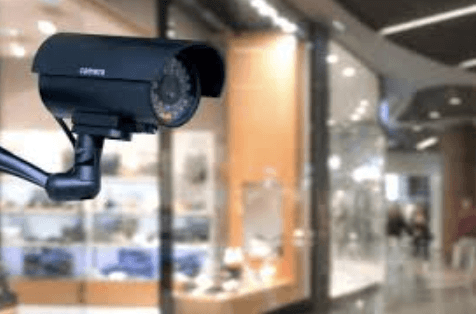
A camera that can clearly be seen does part of its job before recording a single frame. Visible coverage at the entrance and over key displays signals to a would-be shoplifter that the store is paying attention, which is often enough to redirect them elsewhere. The same visibility reassures honest customers and reminds staff that procedures are being followed. Discreet cameras have their place for gathering evidence, but a retail strategy that hides everything throws away the powerful deterrent effect of being seen.
Image Quality Where It Counts
When an incident does occur, footage is only valuable if it is clear enough to be useful. Blurry, dim, or badly angled video can leave you knowing a theft happened without being able to prove who did it. Prioritize strong image quality at the points where identification matters most, particularly entrances and registers, and check that lighting supports the cameras rather than fighting them. It is far better to have excellent coverage of the critical zones than mediocre coverage everywhere.
Connect Surveillance to Your Procedures
Cameras work best as part of a broader loss-prevention routine rather than as a standalone fix. Train staff on how the system supports them, establish a clear process for reviewing footage after a suspected incident, and use recordings constructively to refine store layout and staffing. A surveillance system that nobody reviews and nothing connects to is a missed opportunity; one woven into daily operations steadily pays for itself.
Build on Dependable Equipment
A retail strategy is only as solid as the hardware behind it, so the equipment should come from a supplier that understands commercial needs and stands behind its products. Sourcing your cameras and recorders from a specialist such as www.worldstarsecuritycameras.com means the system is built to run reliably through long trading hours and can scale as the business grows. Cutting corners on the gear tends to surface at the worst possible moment, when you reach for footage and find the camera was offline.
Address Internal Loss and Return Fraud
External shoplifting attracts the most attention, but a significant share of retail loss originates inside the business or at the returns counter. Cameras positioned discreetly over stockrooms, back entrances, and cash-handling points support honest staff and deter the small minority who might be tempted. The goal is never to create an atmosphere of suspicion, but to ensure procedures are followed and that any dispute can be resolved by looking at a clear record rather than relying on conflicting memories.
Return fraud is another quiet drain, covering everything from receipt manipulation to returning stolen goods for cash. Footage of the original transaction, tied to the point of sale, gives managers a factual basis for handling questionable returns and protects staff from accusations when they correctly enforce store policy.
See also: Why the Women Work Bag Has Become a Must-Have Professional Accessory
Let the Footage Inform the Business
A surveillance system gathers far more than evidence of wrongdoing. Reviewed thoughtfully, it reveals how customers move through the store, which displays draw attention, where queues form, and when foot traffic peaks. Forward-thinking retailers use these insights to refine their layout, schedule staff more effectively, and improve the shopping experience, turning a security investment into a source of operational intelligence that quietly earns its keep well beyond loss prevention.
A Smarter Store
Reducing retail theft is not about blanketing the store in cameras and hoping for the best. It is about understanding where losses come from, covering those points with clear and visible footage, and tying the whole system into the way your team works every day. Approached deliberately, surveillance becomes more than a security expense. It becomes a tool that protects margins, supports staff, and gives you genuine insight into how your store operates from open to close. The retailers who treat their cameras as a management tool rather than a grudging cost are the ones who see the steadiest return, because the same footage that resolves a dispute also quietly sharpens how the whole store runs.