Money Counting Machine vs Manual Counting: Which Is Better?
Handling cash accurately is a critical task for businesses of all sizes. Whether it is a retail store, bank, supermarket, restaurant, or any organization dealing with large volumes of cash, counting money correctly is essential. For years, people relied on manual counting to manage cash transactions. However, with technological advancements, the Money counting machine has become a popular solution for businesses looking to improve efficiency and accuracy.
The question many business owners ask is simple: should they continue with manual counting or invest in a money counting machine? Understanding the strengths and weaknesses of both methods can help determine which option is best for specific business needs.
Understanding Manual Counting
Manual counting involves physically sorting and counting banknotes by hand. This traditional method has been used for centuries and requires no special equipment. Employees simply organize cash into stacks and count each note individually.
Many small businesses still use manual counting because it does not require an upfront investment. For businesses that handle only a small amount of cash each day, manual counting may seem sufficient.
However, manual counting depends entirely on human accuracy and concentration. Fatigue, distractions, and workload can all increase the risk of mistakes.
See also: How to Manage Business Taxes Without Paying High Accountant Fees
Understanding a Money Counting Machine
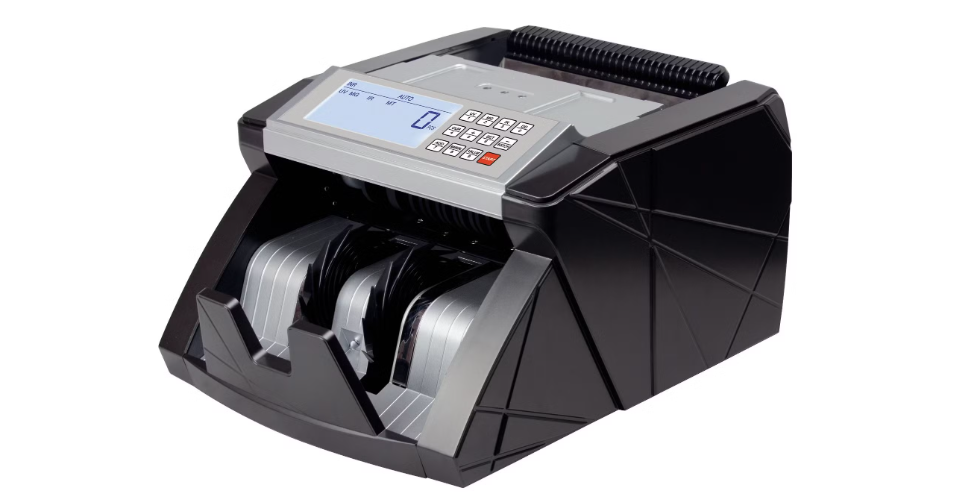
A Money counting machine is a device designed to count banknotes automatically. Modern machines can count large quantities of cash within seconds while maintaining high levels of accuracy. Some advanced models also detect counterfeit notes, identify denominations, and sort bills automatically.
Businesses that process significant amounts of cash often rely on these machines to save time and reduce counting errors. They are commonly found in banks, casinos, retail chains, and financial institutions.
The technology behind these machines continues to improve, making them faster, smarter, and more reliable than ever before.
Speed Comparison
Manual Counting Speed
When counting cash manually, speed depends on the experience and concentration of the individual. A skilled employee may count money relatively quickly, but the process still takes time, especially when dealing with hundreds or thousands of notes.
If multiple recounts are required to verify accuracy, the process becomes even slower. During busy business hours, manual counting can create delays and reduce productivity.
Money Counting Machine Speed
One of the biggest advantages of a Money counting machine is speed. Most machines can count hundreds or even thousands of notes per minute. What might take an employee fifteen or twenty minutes can often be completed in less than a minute.
For businesses handling large cash volumes daily, this time-saving benefit can significantly improve operational efficiency.
Accuracy Comparison
Human Error in Manual Counting
Even highly trained employees can make mistakes. Miscounting often occurs due to distractions, fatigue, stress, or repetitive work. A small counting error can lead to discrepancies in financial records and create problems during reconciliation.
Manual counting often requires multiple employees to verify totals, increasing labor costs and consuming valuable time.
Machine Accuracy
A quality Money counting machine delivers highly accurate results. Modern machines use sensors and advanced counting mechanisms that minimize the risk of errors.
While no system is completely perfect, machine counting generally provides far greater consistency than manual counting. This reliability helps businesses maintain accurate cash records and reduce losses caused by human mistakes.
Cost Considerations
Manual Counting Costs
At first glance, manual counting appears less expensive because there is no equipment purchase required. However, businesses must consider labor costs.
Employees spend valuable working hours counting cash instead of performing other productive tasks. Over time, these labor expenses can become significant, especially in businesses with high cash transaction volumes.
Money Counting Machine Costs
Purchasing a Money counting machine requires an initial investment. Prices vary depending on features, counting capacity, and counterfeit detection capabilities. Many buyers also compare options based on سعر مكن عد الفلوس in their local market to find the best balance between cost and performance.
Although the upfront cost may seem high for some businesses, the long-term savings often justify the expense. Reduced labor requirements, improved efficiency, and fewer counting errors can generate substantial returns over time.
Security Benefits
Security Challenges of Manual Counting
Manual counting provides limited protection against counterfeit currency. Employees may overlook fake notes, especially when processing large amounts of cash quickly.
Detecting sophisticated counterfeit bills requires training and experience, and even then mistakes can occur.
Security Features of Money Counting Machines
Many modern Money counting machine models include counterfeit detection technologies such as ultraviolet, magnetic, infrared, and image recognition systems.
These features help businesses identify suspicious banknotes before they enter financial records. Enhanced security reduces the risk of accepting counterfeit currency and protects business revenue.
Productivity and Workflow
Impact of Manual Counting
Manual cash counting can interrupt daily operations. Employees may need to leave customer-facing responsibilities to count money, creating inefficiencies and slowing service.
At the end of the day, lengthy cash reconciliation procedures can delay closing activities and increase employee overtime.
Impact of Money Counting Machines
A Money counting machine streamlines cash management processes. Employees spend less time counting and more time focusing on customer service, sales, and operational tasks.
Faster cash handling improves workflow efficiency and allows businesses to allocate resources more effectively.
Suitability for Different Business Sizes
Small Businesses
Businesses with very low daily cash volumes may find manual counting sufficient. If only a few transactions occur each day, the benefits of machine counting may not outweigh the purchase cost.
However, even small businesses can benefit from improved accuracy and counterfeit detection as transaction volumes increase.
Medium and Large Businesses
For businesses processing substantial amounts of cash, a Money counting machine is often a practical necessity. The combination of speed, accuracy, and security makes machine counting far more efficient than manual methods.
Retail stores, banks, supermarkets, and entertainment venues frequently rely on these machines to manage daily cash operations effectively.
Employee Satisfaction
Manual counting can be repetitive and mentally exhausting. Employees tasked with counting cash for extended periods may experience fatigue and frustration.
Using a Money counting machine reduces repetitive workload and allows staff to focus on more meaningful responsibilities. Improved job satisfaction can contribute to better overall workplace productivity.
Risk of Financial Loss
Counting errors, misplaced notes, and counterfeit bills can all result in financial losses. Manual counting increases the likelihood of such issues because it relies entirely on human performance.
A Money counting machine minimizes these risks by providing accurate counts and detecting suspicious currency. Reduced errors help maintain trust in financial reporting and improve overall cash control.
Final Verdict
When comparing manual counting and machine counting, the advantages of a Money counting machine are clear. It offers greater speed, higher accuracy, enhanced security, improved productivity, and reduced risk of financial loss. While manual counting may still be suitable for very small businesses with limited cash transactions, it becomes increasingly inefficient as cash volumes grow.
For organizations that regularly handle significant amounts of cash, investing in a money counting machine is often the smarter choice. The time savings, improved accuracy, and counterfeit detection capabilities provide long-term value that manual counting simply cannot match.
Ultimately, the best option depends on the size and needs of the business. However, in today’s fast-paced business environment, a Money counting machine provides a reliable and efficient solution that helps organizations manage cash more effectively and confidently.