TYR Shoe Sale: How to Pick the Right Pair Before the Best Sizes Sell Out
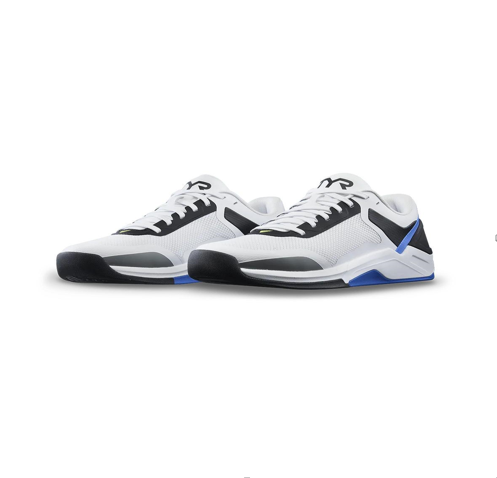
Sale pricing on training shoes follows a predictable pattern. The common sizes go first, the popular colourways vanish within days, and what remains is often a pair that almost fits. Shoppers who browse the current TYR shoe sale with a plan tend to end up with shoes they use for years. Those who browse without one tend to buy on price and return the pair a week later.
Decide What the Shoe Has to Do
A discount only matters if the shoe suits your training. Before opening any product page, write down what fills your week.
A lifter who squats and cleans several times a week needs a firm, flat platform, and often a raised heel. Someone who mixes barbell work with box jumps, rope climbs and short runs needs a firmer-than-average sole with a forefoot that still bends. A person who spends most sessions on machines and light accessory work can get by with a more cushioned general trainer.
Sorting yourself into one of these groups first narrows a long product list to a handful of candidates, and it protects you from the pull of a low price on the wrong shoe.
See also: Pilates for Every Stage of Life: Building Strength, Mobility, and Long-Term Wellness
Know Your Size Before the Sale Starts
Sizes sell out unevenly, and mid-range sizes disappear first because more people wear them. If you already know your exact size in this brand, you can act while stock remains. If you do not, measure before the sale rather than during it.
Stand on a sheet of paper in the evening, when feet are slightly larger, and mark the longest toe and the heel. Measure the distance and compare it with the brand’s size chart instead of assuming your usual size carries over from another label. Do this with the socks you train in.
Check the width as well. A shoe that is the right length but too narrow causes pressure along the sides of the forefoot, which becomes painful in jumping and running work. Reviews are useful here, and a pattern of buyers calling a model narrow or half a size small is worth adjusting for.
Read the Product Details Closely
Discounted items sit alongside full-price ones, so the page layout looks familiar and it is easy to skim. Slow down and check the specifics that affect performance:
- Heel height. Usually listed in millimetres. A higher heel helps squat depth for lifters with limited ankle mobility, while a lower profile suits deadlifts and mixed training.
- Sole material. Dense rubber or a firm midsole holds up under heavy loads. Soft foam compresses and makes the shoe feel unstable under a bar.
- Upper construction. Reinforced mesh and overlays handle rope abrasion and lateral force better than a thin knit.
- Closure. A strap across the midfoot or well-placed laces stop the foot sliding during fast lifts.
If a detail is missing from the listing, treat that as a reason to ask before buying.
Prioritise Which Pair to Chase
Sales tempt people to buy several pairs. A better approach is to rank what you actually need.
Start with the shoe you will wear most. If you lift heavy three times a week, a lifting shoe goes first. If your sessions are mixed, a cross-trainer goes first. A second pair for a different job, such as flat shoes for deadlifts, can wait unless the price is clearly worth it and the size is available.
Experienced lifters often keep a raised-heel pair for squats and Olympic lifts and a flatter pair for pulls and accessory work. That arrangement makes sense once you train often enough to justify it. Newer lifters rarely need more than one well-fitting, firm shoe.
Check Stock Early and Often
Popular models and sizes go first, and a pair listed on Monday may be gone by Friday. Check the size selector on each product page, since a shoe showing as available may only have a few sizes left. Having a second-choice model ready means you can move quickly if your first option sells out.
Use the broader footwear collection to compare sale items with regular-priced models. A current-season shoe at full price sometimes suits your training better than a discounted older model, and seeing both lets you judge whether the saving justifies a compromise on features.
Be wary of buying a size that does not quite fit because it is the only one left. A shoe that is half a size too small or too large rarely improves with wear, and the saving disappears when the pair sits unused.
Understand the Return Terms
Sale items sometimes carry different return conditions from regular stock. Before paying, read the return window, whether discounted items can be exchanged, who covers return shipping and what condition the shoes must be in.
Training shoes are hard to judge from a quick try-on at home. Plan a short test session on a clean floor: a bodyweight squat to check heel lift, a few side steps for lateral stability, some light jumps and a brief jog if the shoe is meant for mixed work. Keep the packaging and avoid wearing them outdoors until you have decided.
If the terms for sale items are stricter than you can accept, factor that into the decision. A shoe you cannot return is only a bargain if you are certain about the fit.
Weigh the Real Saving
A reduced price feels good, but the number that matters is what you pay per month of use. A shoe that costs more and lasts two years beats a cheaper pair that fits poorly and gets replaced within six months.
Consider how often you train and how hard you are on shoes. Rope work, outdoor surfaces and daily sessions wear soles quickly, so durability counts for more than a slightly lower price. For occasional training, a mid-priced shoe in the right size will serve you well for a long time.
Timing helps too. If your current pair is still working and the sale is only a few days old, waiting a little may bring further reductions, though popular sizes will probably be gone. If your heels lift in the squat or your feet slide inside the shoe, replacing them sooner is worth more than the extra saving.
Break Them In Properly
New shoes need an adjustment period, particularly stiffer lifting models with a raised heel, which shifts your balance forward. Wear them for warm-ups and lighter sets in the first session, and watch for pressure points around the heel and strap.
Give them a few sessions before judging. If a specific spot still rubs or the fit feels loose, an exchange for a different size is a reasonable step, and doing it promptly keeps you within the return window.
Shopping With a Plan
Sales reward people who arrive prepared. Know your training mix, know your measured size, read the sole and fit details, check stock early and understand the return terms before you pay. When you are ready to compare models and see what else is available, the official TYR store lists current footwear alongside apparel and accessories in one place.
A good sale purchase is one you stop thinking about after the first week, because the shoe fits, grips and holds up under the bar. Buy for that outcome, and the discount becomes a bonus.