Understanding How Dental Nerve Regeneration Techniques Restore Sensation and Vitality After Root Canal Treatment
The Science Behind Dental Nerve Recovery
Root canal treatment has long been associated with the complete removal of dental pulp and nerves, leaving patients with a tooth that functions mechanically but lacks the living tissue that once inhabited its core. However, your local dentist Port Macquarie has witnessed remarkable developments in understanding how nerve tissue can potentially regenerate following endodontic procedures. This fascinating area of dental science offers hope for maintaining tooth vitality whilst addressing infection and decay.
The human body possesses an extraordinary capacity for healing, and dental nerves are no exception to this biological principle. When an endodontist performs root canal therapy, the traditional approach involves removing infected pulp tissue and sealing the canal system. Yet researchers have discovered that under certain conditions, nerve fibres can begin to regenerate, potentially restoring some degree of sensation to treated teeth.
How Nerve Tissue Responds to Endodontic Treatment
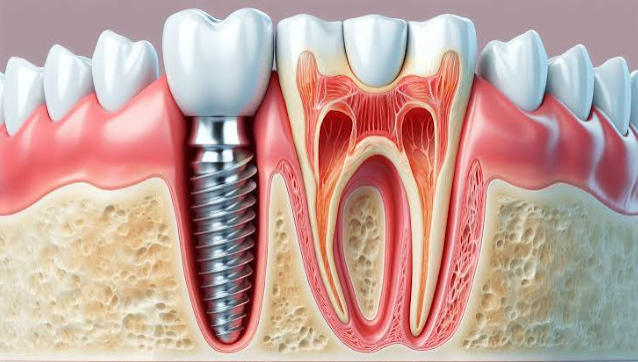
The dental pulp contains a complex network of nerve fibres, blood vessels, and connective tissue that work together to maintain tooth health. When this tissue becomes infected or damaged, the body’s inflammatory response can sometimes be harnessed to promote healing rather than simply removing all biological material. Understanding the anatomical structure of dental pulp provides crucial insight into how regeneration might occur.
Biological Mechanisms of Nerve Regeneration
Nerve regeneration in dental tissue relies on several key biological processes. Stem cells present in the apical papilla and dental pulp possess the remarkable ability to differentiate into various cell types, including those that form new nerve tissue. These cells respond to chemical signals and growth factors that guide their development and integration into existing structures.
The process begins when specialised cells called odontoblasts survive the initial trauma or treatment. These cells can signal to nearby stem cells, initiating a cascade of events that may lead to the formation of new nerve fibres. The surrounding blood supply plays a crucial role in delivering the nutrients and oxygen necessary for this regenerative process to succeed.
See also: Pilates for Every Stage of Life: Building Strength, Mobility, and Long-Term Wellness
Regenerative Endodontic Procedures
Modern regenerative techniques represent a significant departure from conventional root canal therapy, particularly in younger patients with immature tooth development. These procedures aim to preserve or restore the living tissue within the tooth rather than simply filling the space with inert materials.
The procedure typically involves disinfecting the canal system whilst maintaining conditions that allow stem cells to proliferate. Blood clot formation within the canal creates a scaffold upon which new tissue can grow, guided by carefully selected biomaterials that encourage cellular migration and differentiation. This approach has shown promising results in maintaining root development and potentially restoring some degree of pulpal sensation.
Advances in Biomaterials and Growth Factors
Recent innovations in dental biomaterials have opened new possibilities for nerve regeneration following endodontic treatment. Biocompatible scaffolds made from materials such as collagen, fibrin, and synthetic polymers provide a framework that supports cellular growth whilst gradually dissolving as new tissue forms. These materials can be enhanced with growth factors that specifically stimulate nerve tissue development.
The Role of Stem Cell Technology
Stem cell research has contributed significantly to understanding dental nerve regeneration. Studies examining dental pulp stem cells and their regenerative potential have revealed how these cells can be encouraged to develop into functional nerve tissue. The application of specific proteins and signalling molecules can direct stem cells towards neural differentiation, creating pathways for restored sensation.
Researchers continue to explore methods of harvesting and concentrating these stem cells from various sources, including extracted teeth and surrounding tissues. The goal remains to create conditions within the treated tooth that mirror natural development, allowing nerves to regenerate in a controlled and predictable manner.
Clinical Implications and Future Directions
The practical application of nerve regeneration techniques in everyday dental practice continues to evolve. Whilst traditional root canal treatment remains highly successful for saving teeth, regenerative approaches offer additional benefits, particularly for maintaining tooth vitality in younger patients. Contemporary research into regenerative endodontics continues to refine these techniques and expand their applicability.
Clinicians must carefully assess each case to determine whether regenerative procedures are appropriate, considering factors such as patient age, tooth development stage, and the extent of infection or damage. As techniques improve and long-term outcomes become better understood, these approaches may become more widely available for suitable candidates.
Looking Towards a Regenerative Future
The field of dental nerve regeneration represents an exciting frontier in endodontic treatment, combining biological understanding with innovative materials and techniques. Whilst challenges remain in achieving consistent and predictable results, ongoing research continues to advance our ability to restore not just tooth structure, but the living vitality that makes teeth truly functional organs within the body.