How Family Dentistry Encourages Collaboration Between Parents And Kids
You remind your child to brush, they say they did, and then you find a dry toothbrush on the sink. You book the dental visit with a trusted Pasadena dentist, juggle school and work, and hope no one melts down in the waiting room. A lot of parents are carrying the same quiet stress around oral care. You want healthy teeth, fewer battles, and a routine that does not feel like a daily argument.
How family dentistry encourages collaboration between parents and kids comes down to something simple. It turns dental care from a parent-only job into a shared habit. When one dental team sees both children and adults, the advice is more consistent, the expectations are clearer, and kids get to watch their parents model the same care they are being asked to follow.
Family dentistry builds teamwork at home
A family dentist often sees the whole household, which changes the tone of care. Kids are less likely to see brushing, flossing, and checkups as random rules made up at home. They hear the same message from a trusted professional, and that outside reinforcement matters. Parents also get guidance that fits real life, not an ideal routine that falls apart by Tuesday night.
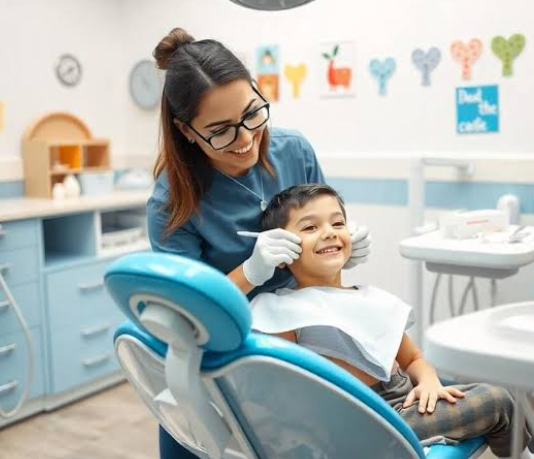
That teamwork grows when children see that adults have dental needs too. A child sitting next to a parent in the office starts to understand that cleanings, exams, and prevention are normal parts of life, not punishments for bad behavior. That lowers fear and gives you a stronger place to work from at home.
Collaborative family dental care also helps when one child is easygoing and another resists everything. A dentist can suggest age-based tools, talk through sensory issues, and help you adjust the routine without shame. Sometimes the problem is not laziness at all. It is a child who hates the taste of toothpaste, struggles with timing, or feels nervous about someone looking in their mouth.
See also: Pilates for Every Stage of Life: Building Strength, Mobility, and Long-Term Wellness
Children respond better when parents and dentists share the message
Mixed messages create friction fast. If a parent says brushing matters but the routine keeps changing, or one caregiver is strict while another lets it slide, kids notice. Family dental visits can reset that pattern. The dentist explains what needs to happen, how often, and why it matters, and everyone leaves with the same plan.
This is where a family dentist can be especially helpful. The guidance is not split between separate offices with different styles and expectations. You get one team that understands your family history, your schedule, and the small patterns that shape whether a routine sticks.
Research based guidance supports that consistency. The CDC shares oral health tips for children that focus on daily habits, fluoride, and regular dental care. MedlinePlus also offers a helpful overview of child dental health, including common concerns parents run into. The Mott Poll report on oral hygiene and healthy smiles points to a familiar truth for many families. Children do better when adults stay involved, even after kids start wanting more independence.
Shared dental routines reduce conflict and catch problems earlier
Most families are not struggling because they do not care. They are struggling because mornings are rushed, bedtimes are messy, and small issues are easy to miss until they turn into pain, cost, or guilt. A skipped brushing here and there can become plaque buildup. A child who avoids chewing on one side may be dealing with sensitivity long before they say it out loud.
Regular visits with a family dental provider make those patterns easier to catch. They can spot early signs of decay, talk through thumb sucking or mouth breathing, and explain what is normal for each stage. Parents get practical advice instead of guesswork, and kids learn that speaking up about discomfort is part of taking care of themselves.
This is one reason many families prefer dentistry for parents and children under one roof. It saves time, but it also creates continuity. The child who once needed help counting to two minutes while brushing may later need support with flossing, sports guards, or braces. The relationship grows with them.
Home care and professional care work better together
| Approach | What It Looks Like | Likely Outcome |
|---|---|---|
| Home care without dental guidance | Parents remind kids to brush and floss, but routines vary and technique may be off | Good intentions, uneven results, missed early problems |
| Dental visits without home follow through | Cleanings happen on schedule, but daily habits are inconsistent | Short term improvement, recurring plaque and cavities |
| Parent and child teamwork with a family dentist | Clear home routine, shared expectations, regular checkups, age based coaching | Better habits, less conflict, earlier treatment, stronger trust |
The strongest results usually come from that third column. A child does not need a perfect parent or a perfect routine. They need repetition, support, and a dental team that helps you adjust when life gets messy.
Small steps make family dental care easier to manage
Set one routine everyone follows.
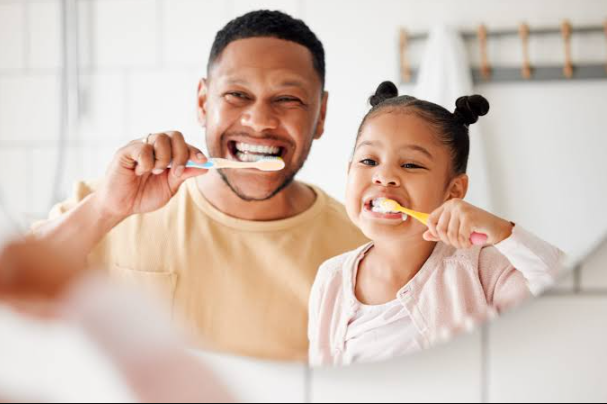
Pick brushing times that fit your actual day, not your ideal one. If bedtime is chaos, start with a solid morning routine and build from there. Brush together when you can. Kids copy what they see more than what they are told.
Use the dental visit as a shared reset.
If brushing has turned into a fight, let the dentist help carry the message. Ask for simple wording your child will understand, product suggestions for their age, and tips for any resistance you are seeing at home.
Track patterns, not perfection.
Notice where the routine breaks down. Is your child tired, distracted, sensitive to texture, or rushing through? Those details matter. When you bring them up at the appointment, the dentist can suggest changes that are realistic instead of generic.
Family dentistry strengthens trust between parents and kids
Dental care goes more smoothly when children feel included instead of managed. Parents feel less alone when they have a provider who understands the whole family dynamic, not just one set of teeth at a time. That is the real benefit behind family dental care. It supports healthy mouths, but it also supports calmer routines, clearer communication, and more confidence on both sides.
If your family is ready for a simpler, more connected approach to oral health, schedule a visit with a family dentist and start building a routine that works for everyone.