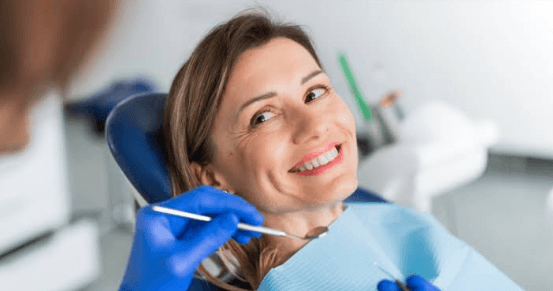
Why Preventive Dental Exams Improve Cosmetic Outcomes
You might not think about a routine dental visit until something feels off. A tooth looks a little darker in photos, your gums seem uneven when you smile, or a small chip starts to catch your attention every time you look in the mirror. What begins as a cosmetic worry often has a health issue underneath it, and that is why preventive care matters more than many people realize. The short version is simple. Regular exams with a dentist in Lathrup Village, MI help catch small problems early, protect the teeth and gums that shape your smile, and often make cosmetic treatment easier, less invasive, and less costly.
If you have ever felt torn between wanting a better looking smile and worrying about the time or cost involved, that makes sense. Many people assume cosmetic dentistry starts with whitening, veneers, or bonding. In reality, the best aesthetic results usually begin with healthy enamel, steady gums, and early treatment of decay or wear. A preventive dental exam for cosmetic results gives your dentist a chance to see changes before they become harder to fix.
Why does a routine dental exam affect the way your smile looks?
Your smile is not just about tooth color. It is also about symmetry, gum shape, spacing, bite balance, and the condition of the enamel. During a preventive exam, a family and cosmetic dentist can spot early signs of cavities, grinding, gum irritation, enamel erosion, and old dental work that may be failing. These problems do not stay hidden for long. They often show up as stains, cracks, rough edges, gum recession, or shifting teeth.
Because of this, waiting can change more than your comfort. It can change what cosmetic options are available to you. A small cavity treated early may need a simple filling that preserves the look of the tooth. Left alone, that same area could darken, weaken, and require a crown later. Mild gum inflammation can often be reversed with cleanings and better home care. If ignored, it may lead to recession that changes the frame of your smile.
According to the CDC’s oral health overview, oral health is closely tied to overall health and quality of life. That includes the ability to speak, eat, and smile with confidence. Cosmetic outcomes are not separate from health. They grow out of it.
What can happen when small dental issues are missed?
It is easy to put off an exam when nothing hurts. That is often where people get surprised. Many smile changes begin quietly. Acid wear can thin enamel and make teeth look dull or translucent. Night grinding can flatten edges and create tiny fractures. Plaque near the gumline can lead to redness and puffiness, which changes the balance of an otherwise bright smile.
So, where does that leave you if your goal is cosmetic improvement? It means prevention protects your options. If you are thinking about whitening, for example, untreated decay or gum disease can make that process uncomfortable and less effective. If you are considering veneers or bonding, your dentist still needs a healthy base to work with. Even a slight bite issue can shorten the life of cosmetic work if it is not addressed first.
The National Institute of Dental and Craniofacial Research explains the basics of oral hygiene and preventive care, including brushing, flossing, and regular professional visits. Those habits do more than prevent pain. They support the appearance of your teeth over time.
How do preventive visits support better cosmetic dentistry results?
Think of prevention as the groundwork for a smile you want to keep. Clean teeth respond better to whitening. Healthy gums create cleaner lines around the teeth. Early treatment of chips, wear, and decay helps preserve natural structure, which often leads to more natural looking results later. This is true whether you want a subtle refresh or a full smile makeover.
A cosmetic-focused dental checkup can also help your dentist track changes from one visit to the next. Maybe one front tooth is wearing faster because your bite is off. Maybe one area is collecting plaque because an old filling has a rough edge. Those details matter. They shape not only how your smile looks today, but how stable it will be after cosmetic treatment.
The CDC also tracks key oral health indicators, including tooth loss and dental visits, which reflect how strongly prevention influences long term outcomes. In simple terms, the more consistent your care, the better your chances of keeping your natural smile looking even and healthy.
What does preventive care compare to when cosmetic goals are on the line?
If you are weighing whether routine exams are worth it, it helps to compare the likely path of early care versus delayed care.
| Situation | With Preventive Exams | Without Regular Exams |
|---|---|---|
| Small cavity on a visible tooth | Often found early and treated with a small tooth colored filling | May grow, darken, and require a larger repair or crown |
| Early gum inflammation | May improve with cleaning and home care changes | Can lead to recession that changes smile shape |
| Teeth grinding | Can be caught before major wear affects tooth length and edges | May flatten teeth and damage cosmetic dental work |
| Whitening plans | Health issues are treated first for safer, more even results | Sensitivity and uneven color may become bigger concerns |
This is where preventive cosmetic dental care becomes practical, not just ideal. It helps you avoid the cycle of fixing the same visible problems again and again without addressing the cause.
What can you do right now to protect both oral health and appearance?
Schedule exams before you notice a problem. Waiting for pain usually means waiting too long. A routine visit gives your dentist a chance to catch changes while they are still small and easier to treat.
Tell your dentist what you see in the mirror. Even if your concern seems minor, mention it. A front tooth that looks shorter, slight gum changes, or staining in one area can point to issues that affect both health and appearance. A family and cosmetic dentist can connect those dots.
Build daily habits that protect enamel and gums. Brush twice a day with fluoride toothpaste, floss daily, and be mindful of habits like sipping acidic drinks or grinding your teeth at night. Cosmetic dentistry works best when everyday care supports it.
See also: The Hidden Advantage Behind Faster Business Decisions
Can a healthier mouth really lead to a better looking smile?
Yes, and often in ways that are easy to miss until you see the difference. Healthy gums sit more evenly. Strong enamel reflects light better. Teeth that are free from hidden decay and active wear hold their shape longer. Cosmetic treatment can enhance those features, but prevention helps preserve them in the first place.
If improving your smile has been on your mind, you do not need to choose between health and appearance. The two work together. Start with regular exams, ask questions, and give your smile the steady care that keeps future treatment simpler and results more lasting.