Emergency Fund: Why You Need One and How to Build It Successfully
An Emergency Fund is one of the most important financial tools anyone can have. Life is unpredictable, and unexpected expenses can happen at any time. Whether it’s a medical emergency, job loss, car repair, or home maintenance, having money set aside can prevent financial stress and help you avoid debt.
Many people believe they don’t earn enough to save, but building an emergency fund is possible even with a modest income. The key is consistency, smart planning, and making saving a habit. In this guide, you’ll learn what an emergency fund is, why it matters, how much you should save, and practical steps to create one.
What Is an Emergency Fund?
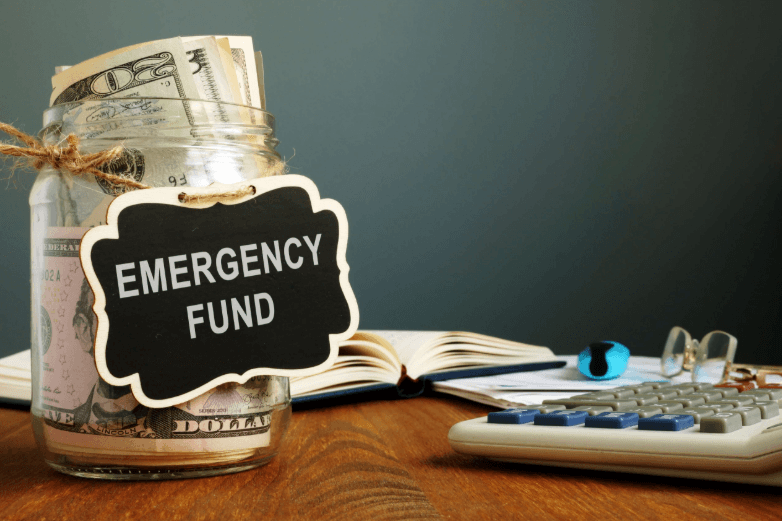
An Emergency Fund is money that you save specifically for unexpected financial emergencies. It is not intended for vacations, shopping, birthdays, or luxury purchases. Instead, it acts as a financial safety net when life throws unexpected challenges your way.
Examples of emergencies include:
- Sudden medical bills
- Unexpected job loss
- Car breakdowns
- Emergency home repairs
- Family emergencies
- Essential travel due to emergencies
Having dedicated emergency savings means you won’t need to rely on credit cards, personal loans, or borrowing money from friends and family.
Why an Emergency Fund Is Important
An emergency fund provides financial security and peace of mind. Instead of worrying about how you’ll pay for unexpected expenses, you’ll already have money available.
Some major benefits include:
Reduces Financial Stress
Knowing you have savings for emergencies helps reduce anxiety during difficult situations.
Prevents Debt
Without emergency savings, many people rely on credit cards or high-interest loans. An emergency fund helps you avoid unnecessary debt.
Protects Long-Term Financial Goals
Using retirement savings or investment money for emergencies can hurt your future. An emergency fund protects your long-term financial plans.
Gives You More Freedom
If you lose your job or need time to find better employment, emergency savings give you breathing room without making rushed financial decisions.
How Much Should You Save?
Financial experts generally recommend saving between three and six months of essential living expenses.
For example:
- Monthly expenses: $2,000
- Recommended emergency fund:
- 3 months = $6,000
- 6 months = $12,000
If your income is unstable or you’re self-employed, saving nine to twelve months of expenses may provide even greater security.
Don’t worry if these numbers seem large. Every emergency fund starts with the first dollar saved.
Start Small and Build Gradually
Many people never begin because they believe they must save thousands immediately. That’s not true.
Start with small goals like:
- First $100
- Then $500
- Then $1,000
- Continue building toward several months of expenses
Small, consistent deposits grow faster than you might expect.
Create a Monthly Savings Plan
Treat your emergency savings like a monthly bill.
For example:
| Monthly Income | Save Monthly |
| $1,500 | $75 |
| $2,500 | $150 |
| $4,000 | $300 |
Automatic transfers to a savings account make saving much easier because you won’t have to remember each month.
Best Place to Keep an Emergency Fund
Your emergency fund should be:
- Easy to access
- Separate from daily spending
- Safe from investment risk
Good options include:
- High-yield savings accounts
- Regular savings accounts
- Money market accounts
Avoid investing emergency savings in stocks or cryptocurrency because their value can fluctuate when you need the money most.
What Counts as a Real Emergency?
It’s important to understand when you should use your emergency fund.
Use it for:
- Medical emergencies
- Major car repairs
- Essential home repairs
- Emergency travel
- Temporary unemployment
- Unexpected necessary expenses
Do not use it for:
- Shopping
- Vacations
- Holiday gifts
- Entertainment
- New electronics
- Luxury purchases
Every time you use the fund, make a plan to rebuild it.
See also: The Hidden Advantage Behind Faster Business Decisions
Tips to Build an Emergency Fund Faster
Saving doesn’t have to be difficult. These practical strategies can help you grow your emergency fund more quickly.
Track Your Spending
Review your monthly expenses and identify areas where you can reduce unnecessary spending.
Examples include:
- Eating out less often
- Canceling unused subscriptions
- Reducing impulse purchases
Even saving a few dollars each day can make a significant difference over time.
Save Windfalls
Whenever you receive unexpected money, save part of it.
Examples include:
- Tax refunds
- Work bonuses
- Birthday gifts
- Freelance income
- Cashback rewards
These extra funds can boost your emergency savings without affecting your regular budget.
Sell Unused Items
Look around your home for items you no longer use.
You might sell:
- Old electronics
- Furniture
- Clothing
- Sports equipment
- Books
Use the money directly for your emergency fund.
Increase Your Income
A side hustle can accelerate your savings.
Popular ideas include:
- Freelancing
- Online tutoring
- Food delivery
- Pet sitting
- Selling digital products
Even a small amount of additional income each month can significantly increase your savings.
Common Mistakes to Avoid
Many people unintentionally slow their progress by making these common mistakes.
Mixing Savings with Spending Money
Keep emergency savings in a separate account to reduce temptation.
Starting Too Late
Unexpected expenses don’t wait. Begin saving today, even if you can only contribute a small amount.
Using the Fund for Non-Emergencies
Avoid dipping into your savings for discretionary spending. Reserve it for genuine emergencies only.
Not Rebuilding After Use
If you withdraw money from your emergency fund, prioritize replenishing it as soon as your financial situation allows.
Emergency Fund vs. Regular Savings
Although both involve saving money, they serve different purposes.
| Emergency Fund | Regular Savings |
| Unexpected expenses | Planned purchases |
| Financial emergencies | Vacations |
| Job loss | New gadgets |
| Medical bills | Weddings |
| Home repairs | Holiday shopping |
Maintaining separate accounts for these goals helps you stay organized and avoid using emergency money for planned expenses.
How Families Benefit from an Emergency Fund
Families often face larger and more frequent unexpected expenses. An emergency fund can help cover:
- Children’s medical costs
- Emergency home repairs
- School-related emergencies
- Appliance replacements
- Temporary income loss
Building this safety net can reduce financial pressure and provide stability during challenging times.
How Students Can Build an Emergency Fund
Students can also benefit from emergency savings.
Simple ways to start include:
- Saving a portion of part-time income
- Setting aside scholarship refunds
- Limiting unnecessary spending
- Using budgeting apps
- Saving birthday or holiday cash gifts
Even a small emergency fund can cover unexpected costs like textbooks, transportation, or medical expenses.
(FAQs)
How much should I have in my emergency fund?
Aim for three to six months of essential living expenses. If you’re just starting, focus on saving your first $500 or $1,000.
Where should I keep my emergency fund?
A savings account or high-yield savings account is usually the best choice because it’s secure and easy to access.
Can I invest my emergency fund?
Generally, no. Emergency savings should remain stable and readily available, not exposed to market fluctuations.
How long does it take to build an emergency fund?
The timeline depends on your income and savings rate. Many people reach their first milestone within several months by saving consistently.
Should I build an emergency fund before investing?
For most people, establishing a basic emergency fund first is a wise step. It helps prevent you from selling investments or taking on debt when unexpected expenses arise.
Conclusion
Building an Emergency Fund is one of the smartest financial decisions you can make. It provides protection against life’s uncertainties, reduces financial stress, and helps you avoid debt when unexpected expenses occur.
You don’t need a high income to begin. Start with a realistic goal, save consistently, and increase your contributions whenever possible. Over time, your emergency fund will grow into a reliable financial cushion that offers confidence and security.
Remember, the best time to start an emergency fund was yesterday. The second-best time is today. Every small deposit brings you one step closer to greater financial stability and peace of mind.