How to Choose a Snorkel: Dry vs Wet, Full Face Masks and Beginner Tips
Snorkelling is one of the easiest and most accessible ways to explore the underwater world, and the snorkel is the piece of gear that makes it all possible. For something so simple, though, there is more to choosing and using one than most people expect. Picking the right type and knowing how to use it comfortably can be the difference between a frustrating first attempt and hours of effortless exploration. This guide covers what a snorkel is, the different types available, the gear you need alongside it, and how to use one comfortably and safely.
What Is a Snorkel?
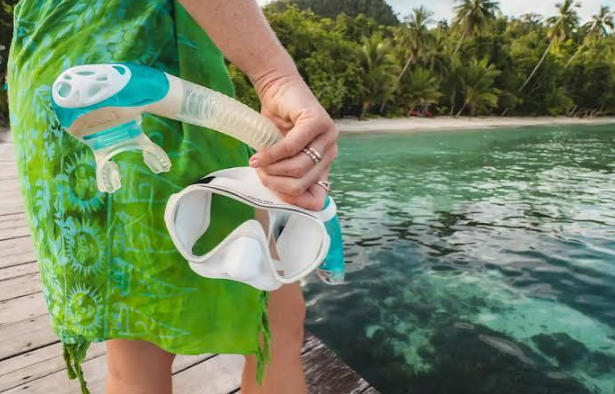
A snorkel is a tube that lets you breathe at the surface while your face is in the water, so you can watch what is happening below without lifting your head to breathe. It is one of the simplest pieces of water gear, yet it opens up a whole world of underwater exploration. A snorkel is typically used together with a mask, which gives you clear vision, and fins, which make moving through the water easier. A quality snorkel and a well-fitting mask form the foundation of an enjoyable snorkelling experience, letting you relax and take in the view rather than struggling with your gear.
The Different Types of Snorkel
There are several types of snorkel, each suited to different users. Wet snorkels are the simplest, with an open top, and are favoured by more experienced snorkellers and freedivers for their minimal design. Semi-dry snorkels add a splash guard at the top to reduce the water that gets in from waves. Dry snorkels go a step further, with a float valve that seals the tube when submerged, keeping water out almost entirely. Full face snorkel masks combine the mask and snorkel into one unit. For beginners, a dry or semi-dry snorkel is often the most comfortable and reassuring choice.
See also: Pilates for Every Stage of Life: Building Strength, Mobility, and Long-Term Wellness
Full Face Snorkel Masks: Pros and Cons
Full face snorkel masks have become popular, and it is easy to see why. They offer a wide field of view, let you breathe naturally through your nose and mouth, and remove the need for a separate mouthpiece. There are cautions worth knowing, however. A proper fit is essential, and poor-quality versions have raised concerns about carbon dioxide build-up. They are also less suited to diving down beneath the surface, since they can be harder to clear. For calm, surface snorkelling with a well-made mask, they can be a comfortable option, but they are not ideal for everyone.
What Gear Do You Need to Snorkel?
The snorkel is only part of the picture. To snorkel comfortably, you also need a mask for clear underwater vision and fins to help you move with minimal effort. These three items, the snorkel, mask, and fins, form the core trio of snorkelling gear. Depending on the conditions, you might also add optional extras such as a rash guard for sun protection, a wetsuit for warmth, or a flotation vest for added safety and confidence. Starting with the core trio and adding extras as needed is the simplest approach.
How to Choose the Right Snorkel
Choosing well comes down to a few considerations. Think first about the snorkel type that suits your experience level, with dry and semi-dry options being friendlier for beginners. Look for a comfortable mouthpiece, since you will have it in for long stretches, and a purge valve makes clearing water much easier. Overall fit and comfort matter a great deal, as does the quality of the materials, which affects both durability and how the snorkel feels in use. Matching the snorkel to how and where you plan to use it is the key to getting it right.
How to Use a Snorkel
Using a snorkel is straightforward once you relax into it. Breathe slowly and steadily through your mouth, keeping your breathing calm and even rather than rushed. If water gets into the tube, clear it by exhaling sharply, or use the purge valve if your snorkel has one. The most important thing is to stay relaxed and float comfortably at the surface. Tension makes breathing harder, so taking it slow, especially on your first few outings, helps everything feel natural much more quickly.
How to Stop Your Mask Fogging Up
A fogging mask is one of the most common frustrations, but it is easily managed. The simplest fix is an anti-fog solution applied to the inside of the lens before you get in. Many people also use the baby shampoo trick, a diluted smear rinsed off before use. Avoid touching the inside of the lens with your fingers, as oils contribute to fogging, and rinse the mask before each session. A quick bit of preparation keeps your view clear for the whole swim.
Snorkelling Safety Tips
Snorkelling is safe when approached sensibly. Never snorkel alone, always check the conditions before you get in, and stay aware of currents and nearby boats. Use a flotation device if you are not a confident swimmer, and never push beyond your comfort level in the water. These simple habits keep snorkelling the relaxing, enjoyable activity it should be, and they matter just as much for experienced snorkellers as for first-timers.
Frequently Asked Questions
What is a snorkel used for?
A snorkel lets you breathe at the surface with your face in the water, so you can observe the underwater world without lifting your head. It is used with a mask and fins.
What’s the difference between a dry and wet snorkel?
A wet snorkel is open at the top and lets water in more easily, while a dry snorkel has a float valve that seals when submerged, keeping water out.
Are full face snorkel masks safe?
A well-fitting, good-quality full face mask can be safe for calm surface snorkelling. Fit matters, and poor-quality versions have raised carbon dioxide concerns.
How do you stop a snorkel mask from fogging?
Use an anti-fog solution or the diluted baby shampoo trick, avoid touching the inside of the lens, and rinse the mask before each use.
Next Steps
A snorkel lets you explore the underwater world easily, and the right type depends on your experience, with dry and semi-dry options suiting beginners best. Paired with a good mask and fins, it forms the simple setup that opens up reefs, bays, and coastlines. Whether you are heading out for the first time or upgrading your kit, choosing gear suited to how and where you snorkel makes all the difference. Explore a snorkel range or complete set and get ready for your next underwater adventure.