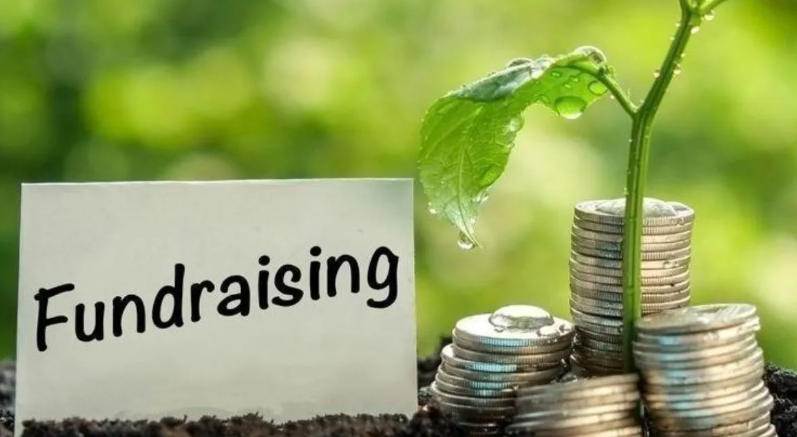
Fundraising Ideas That Inspire Giving
Fundraising has long been an essential part of supporting schools, nonprofit organizations, churches, athletic teams, community groups, and charitable causes. Whether the goal is to finance a local project, provide assistance to families in need, purchase equipment, or support ongoing operations, successful fundraising helps turn ideas into reality. While asking for donations remains one approach, modern fundraising has evolved into a wide variety of events and campaigns that encourage participation, build community, and create memorable experiences for supporters.
One of the reasons fundraising continues to be effective is its flexibility. Organizations can tailor campaigns to fit their audience, budget, volunteer resources, and overall mission. Some events focus on entertainment, while others emphasize service, education, or healthy competition. The most successful fundraisers do more than generate revenue. They strengthen relationships, raise awareness, and give supporters meaningful opportunities to contribute to causes they care about. Understanding the different types of fundraisers allows organizations to select strategies that align with both their goals and their communities.
Product-Based Fundraisers
Product sales remain one of the most familiar fundraising methods because they are relatively easy to organize and widely recognized by supporters. Schools, youth organizations, sports teams, and community groups frequently sell products that offer practical value while raising money.
Popular fundraising products include baked goods, candy, popcorn, cookie dough, discount cards, candles, coffee, flowers, wrapping paper, and seasonal gift items. Supporters receive something tangible in return for their purchase, making participation feel more rewarding than simply making a donation.
The success of product fundraisers often depends on selecting merchandise that matches the interests of the intended audience. High-quality products, competitive pricing, and simple ordering processes encourage stronger participation. Many fundraising companies also provide online ordering systems, making it easier to reach friends and family outside the local community.
Although profit margins vary depending on the products offered, product-based campaigns continue to be reliable fundraising options because they combine fundraising with everyday purchasing decisions.
Community Events Build Strong Connections
Many organizations choose event-based fundraising because it creates opportunities for people to gather while supporting a worthwhile cause. Community events often generate excitement, strengthen relationships, and increase public awareness.
Charity walks and runs remain popular because they encourage healthy activity while attracting participants of all ages. Silent auctions allow businesses and individuals to donate products or services that supporters bid on throughout an event. Benefit dinners, pancake breakfasts, spaghetti suppers, and barbecue cookouts combine food with fellowship, making them especially appealing for local organizations.
Festivals, carnivals, craft fairs, and holiday celebrations also serve as successful fundraising platforms. These events often include games, entertainment, vendors, raffles, and family-friendly activities that encourage broad participation.
Beyond the money raised, community events create opportunities for volunteers, sponsors, and attendees to build lasting relationships with the organization. These connections often lead to continued support long after the event concludes.
Peer-To-Peer Fundraising
Technology has expanded fundraising opportunities by making it easier for supporters to become advocates. Peer-to-peer fundraising encourages individuals to create their own fundraising pages and ask friends, family members, and coworkers to contribute toward a shared goal.
Participants often personalize their campaigns by explaining why the cause matters to them. Personal stories frequently resonate with potential donors because they create emotional connections and demonstrate genuine commitment.
Many charitable walks, cycling events, and awareness campaigns successfully use peer-to-peer fundraising. Participants collect donations while preparing for an event, multiplying the organization’s reach through individual networks.
Social media plays an important role in this strategy. Sharing fundraising progress, milestones, and updates helps maintain enthusiasm while encouraging additional contributions.
Because supporters become active participants rather than passive donors, peer-to-peer campaigns often generate stronger engagement and broader visibility.
Online And Digital Campaigns
Digital fundraising has become increasingly important as organizations seek to connect with supporters regardless of geographic location. Online donation platforms allow individuals to contribute quickly using computers or mobile devices.
Crowdfunding campaigns are particularly effective when raising money for specific projects or urgent needs. Clearly explaining the purpose of the fundraiser, establishing realistic financial goals, and helping to maintain donor confidence throughout the campaign.
Virtual events have also become more common. Online auctions, livestream performances, educational webinars, and virtual fitness challenges allow organizations to engage supporters who may not be able to attend in-person activities.
See Also: Building Authority: A Practical Link Acquisition Guide
Email newsletters and social media campaigns complement digital fundraising by keeping supporters informed and encouraging ongoing participation. Consistent communication helps organizations build long-term relationships while reaching broader audiences.
Digital fundraising offers convenience for both organizations and donors, making it an increasingly valuable component of modern fundraising strategies.
Church Fundraiser Ideas
Many faith communities organize fundraisers to support mission work, youth programs, facility improvements, community outreach, or charitable assistance. When exploring church fundraiser ideas, organizations often focus on activities that encourage fellowship while supporting meaningful causes. Popular church fundraiser ideas include community dinners, bake sales, craft fairs, holiday markets, car washes, family movie nights, charity concerts, and seasonal festivals that welcome both congregation members and the surrounding community.
Volunteer participation often becomes one of the greatest strengths of church fundraisers. Members contribute their time, talents, and resources while strengthening relationships through shared service. These events frequently extend beyond financial goals by creating opportunities for outreach and community engagement.
Successful church fundraisers emphasize hospitality, clear communication, and inclusive activities that appeal to people of all ages. When participants enjoy the experience, they are more likely to remain involved in future events and continue supporting the organization’s mission.
Creative Fundraising Encourages Participation
Creative fundraising ideas often generate enthusiasm because they offer fresh experiences that stand out from traditional campaigns. Talent shows, trivia nights, escape room challenges, cooking competitions, scavenger hunts, and themed parties encourage supporters to participate in entertaining activities while contributing to a worthy cause.
Some organizations host unique challenges where participants seek sponsorships for completing fitness goals, reading books, or learning new skills. Others organize pet contests, photography competitions, or online gaming tournaments that appeal to specific audiences.
Creativity helps organizations attract attention and differentiate their events from other fundraising efforts taking place within the community. However, originality should always support the organization’s mission rather than distract from it.
Well-planned creative events often generate positive word-of-mouth marketing that encourages additional participation in future campaigns.
Planning For Long-Term Success
Regardless of the fundraising method selected, careful planning significantly influences results. Organizations should begin by establishing clear financial objectives and defining how raised funds will be used. Donors are often more willing to contribute when they understand exactly how their support will make a difference.
Volunteer coordination is equally important. Assigning responsibilities, providing training, and maintaining open communication help ensure events operate smoothly. Recognizing volunteers afterward strengthens relationships and encourages future involvement.
Marketing also deserves careful attention. Combining social media, email, printed materials, local media, and personal invitations increases awareness and participation. Consistent messaging helps supporters understand both the purpose of the fundraiser and how they can contribute.
Following up after campaigns builds trust. Thanking donors, sharing fundraising results, and demonstrating the impact of contributions reinforce confidence and encourage continued support.
Organizations that view fundraising as relationship-building rather than simply revenue generation often experience greater long-term success.
Fundraising Beyond Financial Goals
Although raising money remains the primary objective, successful fundraising achieves much more than financial results. Every campaign offers opportunities to strengthen communities, introduce new supporters, recognize volunteers, and increase awareness of important causes.
Different fundraising methods appeal to different audiences, making it valuable for organizations to diversify their approaches over time. Product sales, community events, peer-to-peer campaigns, digital fundraising, creative activities, and church fundraisers each offer unique advantages depending on organizational goals and available resources.
Ultimately, the most effective fundraisers create experiences that inspire generosity while building lasting relationships. When supporters feel connected to a mission and understand the impact of their contributions, they become more than donors. They become partners in helping organizations achieve meaningful and lasting change.