What Your Background Check Missed Is Already Public
A clean record proves what a candidate was charged with. It says nothing about who they are when they think nobody is watching. That second part lives on public profiles, and most hiring teams never check it the right way. A social media background check closes that gap.
| TL;DR A traditional check confirms what a candidate tells you. A social media background check reveals what they did not. Criminal, credit and employment records only cover the documented past. Public posts, comments and affiliations show character and risk in real time. This guide breaks down the exact gap legacy checks leave open, why it keeps growing, and how Phyllo Social Guard runs automated social media background checks that stay compliant and finish in hours, not days. |
| Direct answer What does a social media background check find that a regular one misses? It surfaces public behavior that standard verification cannot see: discriminatory or violent posts, threats, drug references, undisclosed business ties, and reputational red flags. Criminal and credit checks only confirm formal records. Most workplace risk never reaches a courthouse or a credit bureau. That is why social media background checks now sit beside traditional screening rather than replacing it. |
The blind spot everyone hired around
Picture a hire most recruiters know too well. The resume looked sharp. The interview went great. The criminal check came back clean. You sent the offer. Three weeks later, someone on the team finds an old post from this person that makes everyone wince. Now you are managing damage instead of momentum.
The post was public the whole time. You just were not looking in a structured way. And that is the heart of the problem. Legacy background checks were built for a paper world. People moved their opinions, their conflicts and their worst moments onto public profiles. The verification process never caught up.
A social media background check is the layer that fills that gap. Not a gimmick. Not snooping. A documented, consistent review of what a person has already shared in public. Phyllo built its social screening product to do exactly that. This guide walks through where the gap lives, why it widened, and how you close it without breaking compliance.
What a traditional background check actually covers, and where it stops
Standard verification confirms a defined set of facts. It checks identity, criminal records, credit history, past employment and education. These checks matter. They catch fraud and confirm the basics. But notice what they share. Every one of them looks backward at a formal record.
And here is the limit. A clean record and a low risk hire are not the same thing. Records tell you what reached a court or a bureau. They say nothing about judgment, temperament or how someone treats people online. The timing is off too. Records are historical. Conduct is happening right now, today, on a public feed.
So you can pass every traditional check and still walk a real risk through the front door. So if records cannot show this, where does the risk actually live?
Why so much risk now lives in public
People document their lives openly. Opinions, affiliations, arguments, jokes that did not age well, all of it sits on public profiles going back years. A single post can outweigh a spotless file. We have all watched it happen to a brand.
Phyllo points to a clear example. A Spanish creator’s old tweets about young girls resurfaced years later and dragged a major snack brand into a public mess. The content was old. The damage was new. That pattern repeats across hiring and influencer partnerships every month.
The categories that create this risk rarely reach formal records. Think harassment, threats, hate speech, extremist ties and undisclosed conflicts of interest. None of that shows up in a credit report. All of it shows up in a social media background check. This is a structural gap, not bad luck.
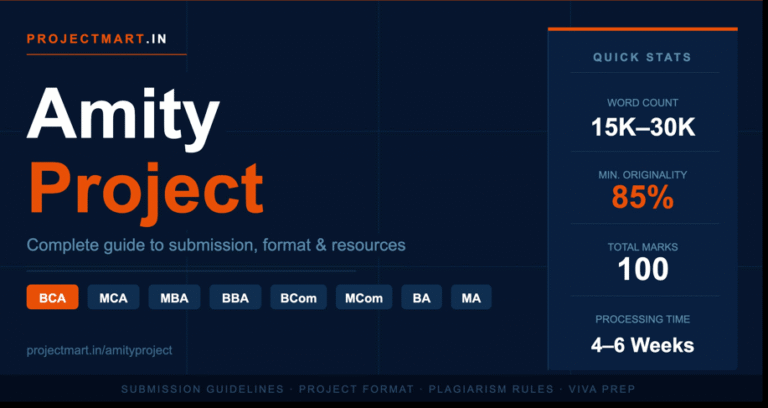
| The numbers behind the shift 70 percent of employers research candidates on social media, the highest level CareerBuilder has recorded in a decade. 54 percent have ruled out a candidate over something they found online, from inappropriate photos to discriminatory comments. The global online background check market is projected to reach 27.29 billion dollars by 2032, growing at about 13 percent a year. Sources: CareerBuilder 2025, Coherent Market Insights 2025. |
When was the last time your process actually looked at any of this?
What a social media background check reveals
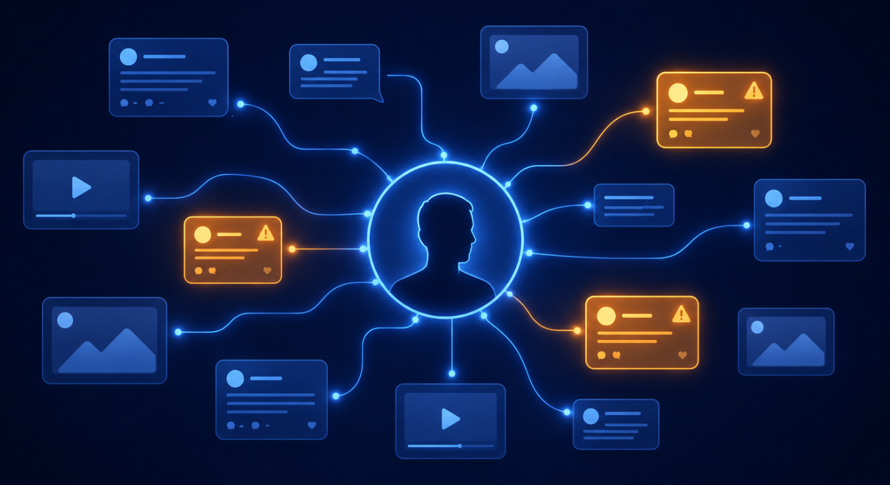
A social media background check is a review of a person’s public social content to find job relevant risk. Done well, it surfaces specific categories: violence and threats, discriminatory content, references to illegal activity, sexually explicit material, and undisclosed affiliations. It looks at pattern and context, not one post pulled out of context.
Phyllo’s Social Guard tool reads text, images, audio and even video. The AI is trained to tell a meme from a threat, which keeps false positives low. You start with one email address, and the tool uncovers the person’s broader public presence across platforms.
It reads more than text
Most risk hides outside plain text. It sits in an image, a video caption, a text overlay on a meme, or audio in a clip. Phyllo scans all of those formats at once. That is the difference between a surface scan and a real review.
Traditional check vs social media background check
Here is the side by side.
| Factor | Traditional background check | Social media background check |
| What it covers | Criminal records, credit, employment, education | Public posts, comments, images, video, affiliations |
| What it reveals | The documented past | Character, judgment, behavior in real time |
| Timing | Historical records only | Ongoing and current conduct |
| Speed (Phyllo) | Typically 2 to 4 days | Report in a few hours, not days |
| Bias risk | Standardized but narrow | Lower with AI plus human review than manual Googling |
| Compliance | FCRA aligned | FCRA, EEOC, GDPR and DPF aligned |
The compliance question everyone asks first
Before anything else, people want to know one thing. Is this even legal? Yes, when you do it right. The danger is not the check itself. The danger is doing it casually.
When a hiring manager logs into a personal account and browses a candidate’s profile, they expose the company to real trouble. They might see protected class information they cannot legally consider. The process is inconsistent. There is no audit trail. That is how discrimination claims start. A recruiter casually Googling a name is not the same as a structured check.
Proper social media background checks stay aligned with FCRA, EEOC, GDPR and the Data Privacy Framework. Phyllo’s Social Guard follows these federal and state laws by design, keeps audit trails, and puts a human reviewer on every report so automation never decides alone. Structured and consistent beats manual and improvised, every time.
How automated social media screening actually works
The modern process is simple from your side. You give the tool an input. It does the heavy lifting. You get a clean report.
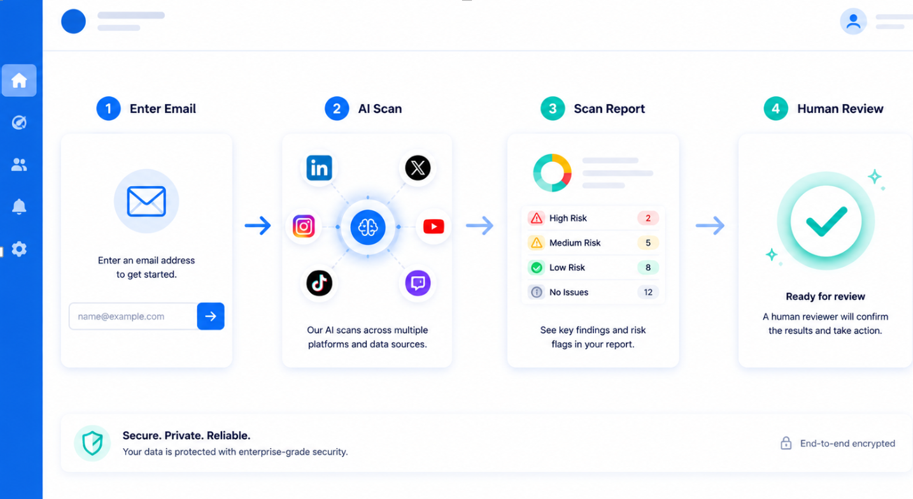
- Input. Enter the candidate’s email address into Phyllo Social Guard.
- Scan. The AI maps the person’s public profiles and scans thousands of posts across platforms at once.
- Flag. The model flags items by your chosen safety categories, reads context, and links each flag back to the original content.
- Review. A person reviews the report. You compare candidates, share findings with stakeholders, and decide.
Speed is the quiet advantage. Phyllo turns around a candidate report in a few hours, while older providers take one to three days. Strong candidates take other offers while you wait. Fast checks keep your pipeline moving. The tool flags at least 95 percent of relevant items, and accuracy climbs as it learns your criteria. You get it through an API or a dashboard, whichever fits your stack.
What closing this gap is worth to your business
This comes down to money and trust.
Start with the cost of getting it wrong. Replacing one mis-hire can cost up to a full year of that role’s salary once you count lost productivity, re-hiring and training. One screen up front is far cheaper than months of cleanup. Here is what the check protects.
- Reputation. One viral employee post can undo years of goodwill. Catching it early protects the brand you worked hard to build.
- Faster decisions. A clear report in hours means you hire with confidence instead of crossed fingers.
- Legal defensibility. A consistent, documented process holds up when someone questions a decision.
- A feature clients expect. For platforms and verification providers, automated social screening is now table stakes, not a nice to have.
Best practices for running social media background checks the right way
Knowing the value is one thing. Running the check the right way is another. Get the method right and the whole thing stays fair, useful and defensible. Get it wrong and it becomes a liability. Follow these.
- Screen everyone at the same stage. Never single out one candidate. Consistency is your best defense.
- Focus on job relevant risk. Look for threats, hate speech and illegal activity, not lawful personal opinions or off duty life.
- Keep an audit trail. Document criteria, flags and reviewer notes so every decision is traceable.
- Let AI cut bias, not replace judgment. Use automation to remove individual recruiter bias, then have a person confirm.
- Treat it as one layer. A social media background check sits alongside traditional checks. It does not replace them.
- Be transparent. Tell candidates what you screen and give them room to respond to flags.
Common mistakes to avoid
A few errors come up again and again. Skip them.
- Casual Googling by hiring managers, which exposes protected information and creates inconsistency.
- Judging a person on a single post stripped of context.
- Screening only some candidates, which invites discrimination claims.
- Skipping documentation, so you cannot defend a decision later.
- Treating old content as harmless. Most people forget what they posted years ago, and that history carries the highest risk.
See also: The Hidden Advantage Behind Faster Business Decisions
Stop hiring around the blind spot
Come back to that opening hire. The post that blew up your week was public the entire time. The information was always there. You just were not looking in a structured, fair, documented way. That is the whole problem, and it has a clear fix.
A social media background check is the difference between hoping a hire works out and knowing the risk before you sign. As more behavior moves online, this layer shifts from optional to standard. Teams that adopt it now will look ahead of the curve in two years. See how Phyllo Social Guard works, or read more on what a social media background check is before your next hire.
| Ready to close the gap? Start a free report with Phyllo Social Guard. Enter one email address and see a candidate’s full public presence in a few hours. |
Frequently asked questions
Is a social media background check legal for employers?
Yes, when you only review public information, apply the same process to every candidate, get consent, and follow EEOC and privacy laws like GDPR. Phyllo’s screening is built around FCRA, EEOC, GDPR and DPF compliance.
How is a social media background check different from a Google search?
A Google search is casual, inconsistent and exposes you to protected information you cannot legally use. A structured social media background check applies set criteria, keeps an audit trail, reads context, and uses human review to reduce bias.
How far back can social media background checks go?
They can surface content from many years ago, which is exactly why old posts are the top source of risk. Most people forget what they shared on platforms they no longer use, so historical content deserves close attention.
Can a social media background check be automated?
Yes. Phyllo Social Guard automates the full process. One email address goes in, and a structured, context aware report comes out in a few hours through an API or a dashboard.
What risks do social media background checks actually catch?
They flag violence and threats, discriminatory content, illegal activity references, sexually explicit material, fake engagement and undisclosed affiliations across text, images, audio and video.
Do candidates have to consent to a social media background check? Yes. Best practice and most laws require written consent before screening. Be transparent about what you review, and give candidates a fair way to dispute any flagged content.